Reports suggesting that 95 of the world’s 100 hottest cities are currently in India.
India in summer is extraordinary. It’s also brutal. But traveling during a heat wave? That’s a whole different level. With 2026 already seeing rising temperatures, trips can quickly go from exciting to exhausting if unprepared.
This isn’t the usual “stay hydrated and you’ll be fine” advice. A heat wave here reshapes everything, your energy, your plans, even how long you can stay outdoors. For anyone traveling during a heat wave, knowing what you’re dealing with (and how to handle it) makes all the difference between a great trip and a draining one. So yeah, before locking in those cheap flight tickets, read this till the end.
TABLE OF CONTENTS
- What Is a Heat Wave, Actually?
- Planning Your Day: The Golden Rule
- Hydration: What Most Guides Get Wrong
- What to Pack: The Real Heat Wave Survival Kit
- On the Road: Heat Wave Guidance for Transport
- The Heat Wave Alert India System: How to Track It
- How a Heat Wave Affects Your Travel & What to Avoid
- Conclusion
- Frequently Asked Questions: Traveling During a Heat Wave
- You May Love This:
- Akbar Travels Services
What Is a Heat Wave, Actually?
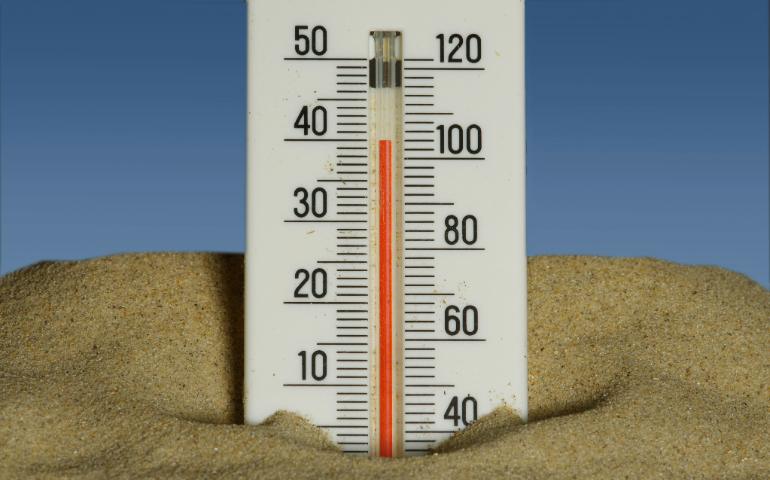
Image Credit: Immo Wegmann /Unsplash
Not every hot day counts. A heat wave, according to the India Meteorological Department, is basically when temperatures stay much higher than usual for a couple of days, either about 4-5°C above normal or when it goes beyond 45°C in most plains.
The India heatwave 2026 season arrived earlier than expected, catching much of the country off guard. Several states are already seeing temperatures well above normal. And it’s not just about the numbers; humidity changes everything. In places like Kerala or coastal Maharashtra, 38°C can feel far more intense than 44°C in the dry heat of Rajasthan.
This is what makes traveling during a heat wave in India different from just “traveling in summer”. The conditions require a genuine shift in how you plan, move, eat and rest.
Also Read: Indian Hill Station That Carries the ’90s Summer Nostalgia To Your Vacation
Planning Your Day: The Golden Rule
The single most effective thing any traveler can do when traveling during a heat wave is restructure the day around heat peaks.
- Stay inside during peak hours, usually between 12 PM and 4 PM.
- Plan sightseeing for the early morning or late evening.
- If you have to go outside, stay in the shade, especially between 11am and 3 pm, wear sunscreen, a hat and light clothes.
- Avoid exercise or activity that makes you hotter.
In practice, this means: monuments before 9 AM, air-conditioned museums or shopping centres between noon and 4 PM, and markets or evening walks after sunset. Build that window into your bookings.
Also, book your stay early to get the best deals on hotel bookings online and don’t forget to confirm that the room has good cooling and essential amenities.
AT Tip: Engage in activities that allow you to stay cool – visiting waterfalls and lakes and indoor attractions like museums, art galleries and shopping malls where you can enjoy local culture in a cooler environment.
Hydration: What Most Guides Get Wrong
Drinking water is obvious. What’s less obvious is what to drink and how much.
- Carry water at all times and consume fluids regularly.
- Watermelon and musk melon are 90% water and are perfect snacks.
- Coconut water is better than any energy drink.
- Aam Panna (raw mango drink) and Chaas (buttermilk) keeps you fresh.
These aren’t tourist gimmicks – they’re what local populations have relied on through Indian summers for centuries.
A critical note: drinking only plain water while sweating heavily can cause hyponatremia – dangerously low sodium – which mimics dehydration. ORS (Oral Rehydration Salts) sachets, available at any Indian pharmacy for ₹10-15, solve this. Carry those.
Avoid alcoholic and caffeinated beverages – they lead to dehydration.
AT Tip: Skip street food that’s been sitting out in the sun – heat spoils things fast, and food poisoning is really the last thing you want ruining your trip.
What to Pack: The Real Heat Wave Survival Kit
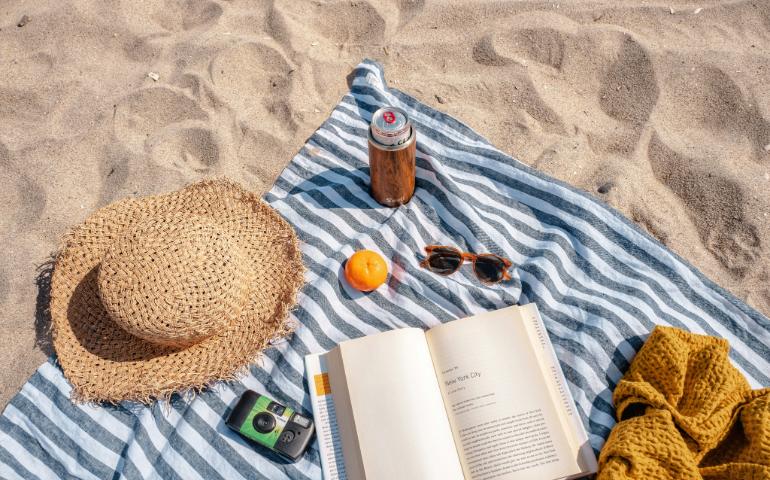
Image Credit: S’well/Unsplash
This is the complete list for traveling during a heat wave in India – practical, tested, nothing redundant:
Clothing: Loose, light-coloured cotton or linen. A cotton dupatta or lightweight scarf doubles as sun protection for neck, shoulders, and face.
Sun protection: SPF 50+ sunscreen, re-applied every two hours (or every 60-90 minutes if sweating heavily). Wide-brimmed hat or UV-protective cap. Polarised.
Health essentials: ORS sachets and a compact first-aid kit. Any personal medication – heat can accelerate absorption rates of some drugs, so consult a doctor before travel if on regular medication.
Travel kit: A reusable insulated water bottle (minimum 1 litre).A fully charged mobile phone and charger. A portable fan – available online. Wet wipes, hand sanitizer
Footwear: Avoid dark leather shoes. Feet swell in prolonged heat. Lightweight breathable footwear – sports sandals or mesh trainers, make a measurable difference over a full day of walking.
Also Read: How to Beat the Heat: Early Summer Flight Tips for Hot Weather Travel
On the Road: Heat Wave Guidance for Transport
If doing state travel – Delhi to Jaipur, etc. – preparation matters.
- Allow plenty of time for the journey including regular breaks.
- During periods of extreme hot weather, adjust travel to avoid the hottest times of day if possible.
- Train travel is generally safer than road travel during extreme heat, especially air-conditioned coaches (AC 2-tier or AC 3-tier) are reliable and relatively affordable.
- If traveling by bike or motorbike – common in cities – wear full clothes regardless of the heat. In regions like Kerala, high humidity makes the heat feel more oppressive, as moisture in the air reduces the body’s ability to cool itself.
If planning an international summer escape, online visa services for 180+ countries can make things a lot easier, especially if you’re eyeing those summer holiday destinations you need to visit.
The Heat Wave Alert India System: How to Track It
Don’t rely on general weather apps alone. Travellers should track forecasts through the official IMD site or app. The IMD colour codes its alerts: Yellow (be aware), Orange (be prepared), Red (take action). A heat wave alert India at Red level means outdoor tourism should be reconsidered for that day, not rescheduled to afternoon, but reconsidered entirely.
The IMD’s website (mausam.imd.gov.in) publishes daily state-wise forecasts. Bookmark it before you travel.
How a Heat Wave Affects Your Travel & What to Avoid
Image Credit: Jayanth Muppaneni/Unsplash
First, the health reality. When traveling during heat wave in India, the biggest risks are dehydration, overheating, and heat exhaustion- or even heatstroke. Not theoretical stuff – this is what actually sends tourists to hospitals.
Watch out for: dizziness, heavy sweating, a rapid pulse and nausea.
If you feel these heat exhaustion symptoms, stop and move to a cool area immediately.
Beyond health, heat waves mess with travel plans too, fewer outdoor activities, changing timings, tricky transport. In places like Delhi, Jaipur, Agra, and Uttarakhand, all-inclusive tour packages can save you a lot of hassle.
Conclusion
Traveling during a heat wave in India is manageable, but not recommended. The heat wave guidance is consistent across every medical and travel authority: restructure your day, hydrate with electrolytes (not just water), stay indoors 12-4 PM, dress for the climate rather than for the photos and monitor temperature.
Following real tips to travel in summer heat isn’t about being overly cautious – it’s about staying functional enough to actually enjoy the country. Done right, traveling during a heat wave in India is still possible, especially since it lines up with peak holiday season.
Found this helpful? Share it with someone thinking of canceling their summer trip to India – it might just change their mind.
And if you’ve survived a heat wave trip with a trick that worked, drop it in the comments.
Frequently Asked Questions: Traveling During a Heat Wave
How to travel in heat wave?
Stick to air-conditioned transport like trains or cabs and plan all your sightseeing for early morning or after sunset. Keep a reusable water bottle and a portable fan or umbrella with you at all times.
How to reduce body heat quickly?
Place a cold, damp cloth or ice pack on your neck, wrists, and forehead to cool your bloodstream instantly. Sipping on electrolyte-rich drinks like coconut water or taking a lukewarm shower also helps reset your internal temperature.
Is it safe to travel in the heat?
It is generally safe if you are healthy and take precautions, but “Red Alert” zones should be avoided to prevent heatstroke. If you have underlying health conditions, it is best to postpone your trip until the temperature drops.
How to deal with heat when travelling?
Dress in loose, light-colored cotton fabrics that allow your skin to breathe and sweat to evaporate. Slow down your pace and take frequent breaks in shaded or air-conditioned spots to avoid overexertion.
What to avoid during a heat wave?
Avoid direct sun exposure between 12:00 PM and 4:00 PM, and stay away from caffeinated or alcoholic drinks that dehydrate you. Steer clear of heavy, spicy, or fried street foods that can increase your metabolic heat.
How to stay safe during heat waves?
Listen to your body and stop immediately if you feel dizzy, nauseous, or have a headache. Keep a close eye on local weather apps for “Heat Wave” warnings and always know the location of the nearest pharmacy or clinic.
Where in India can you go to escape the heat of the summer?
Head to high-altitude retreats like Leh-Ladakh, Spiti Valley, or the hill stations of Himachal Pradesh and Uttarakhand. In the south, the lush greenery of Munnar or Kodaikanal offers a much cooler climate than the plains.
You May Love This:
Tropical Islands vs. European Cities: Where Should You Go for Your Summer Vacation?
Romantic Summer Getaways: The Most Romantic Destinations for Couples
Best 5 Riverside Homestays in India to Cool off this Summer
Akbar Travels Services
Best Flight Deals
Mumbai to Delhi Flight Tickets | Mumbai to Bangalore Flight Tickets | Kolkata to Mumbai Flight Tickets | Kochi to Abu Dhabi Flight Tickets | Lucknow to Riyadh Flight Tickets | Delhi to Ahmedabad Flight Tickets
Domestic Flights
Pune to Bangalore Flights | Chennai to Delhi Flights | Bangalore to Chennai Flights | Mumbai to Delhi Flights | Bangalore to Hyderabad Flights | Ahmedabad to Goa Flights | Mumbai to Kolkata Flights | Hyderabad to Delhi Flights | Bangalore to Goa Flights | Mumbai to Goa Flights
International Flights
International Flights Booking | Delhi to Dubai Flights | Delhi to Bangkok Flights | Delhi to Toronto Flights | Mumbai to Dubai Flights | Delhi to Singapore Flights | Delhi to London Flights | Delhi to Kathmandu Flights | Mumbai to London Flights | Chennai to Singapore Flights | Mumbai to Singapore Flights | Delhi to New York Flights | Kolkata to Bangkok Flights
Best Hotel Deals
Hotels In Dubai | Hotels In Mumbai India | Hotels In Pune India | Hotels In Singapore | Hotels In Kochi India | Hotels In Munnar India | Hotels In Bangkok Thailand | Hotels In Kuala Lumpur Malaysia | Hotels In Mecca Saudi Arabia | Hotels In Mahabalipuram India
Apply Visa Online
Dubai Visa Online | 14 days Dubai Visa | 30 days Dubai Visa | 60 days Dubai Visa | Dubai Transit Visa | UAE Visa | Singapore Visa | Malaysia Visa | Thailand Visa | Sri Lanka Visa | US Visa | UK Visa | Schengen Visa | Canada Visa | Australia Visa | New Zealand Visa | France Visa | Italy Visa | Turkey Visa Online | Philippines Visa | Cambodia Visa Online | Vietnam Visa Online | Oman Visa
International Tour Packages
Dubai Tour Packages | Singapore Tour Packages | Thailand Tour Packages | Malaysia Tour Packages | Sri Lanka Tour Packages | US Tour Packages | United Kingdom Tour Packages | South Africa Tour Packages | Europe Tour Packages | Bali Tour Packages | Mauritius Tour Packages | Maldives Tour Packages | Cordelia Cruise Packages |
Domestic Tour Packages
India Tour Packages | Goa Tour Packages | Kerala Tour Packages | Leh Ladakh Tour Packages | Himachal Tour Packages | Andaman Tour Packages | Rajasthan Tour Packages | Uttarakhand Tour Packages | Jammu and Kashmir Tour Packages
Packages by Themes
Honeymoon Packages | Adventure Packages | Visa on Arrival Packages | Family Packages | Romantic Packages | Weekend Getaways Packages
