Picture this: you’ve just checked into a new hotel after a long flight. The lobby smells faintly of polished wood and jasmine. The concierge hands over your key card with a smile. You step into the elevator, bags in hand, and as the doors close, a random thought crosses your mind, “Wait… is this the safest hotel floor to stay on?”
Yeah, we’ve been there too. It’s one of those quiet travel anxieties most people don’t talk about, but should. Because while hotels are generally safe, your room’s floor level actually plays a big role in your overall safety from fire risks to emergency accessibility. So, let’s talk about what the experts (and seasoned travelers like us) swear by when choosing the safest hotel floor.
TABLE OF CONTENTS
- So, which hotel floor is safest?
- A mini hotel floor safety guide (without boring you to sleep)
- Picking your room: the subtle art of being safe and comfortable
- Staying safe beyond your hotel floor
- Quick hotel safety tips for travelers
- So, what’s the best floor to stay for safety?
- Conclusion:
- FAQs – Safest Hotel Floor
So, which hotel floor is safest?
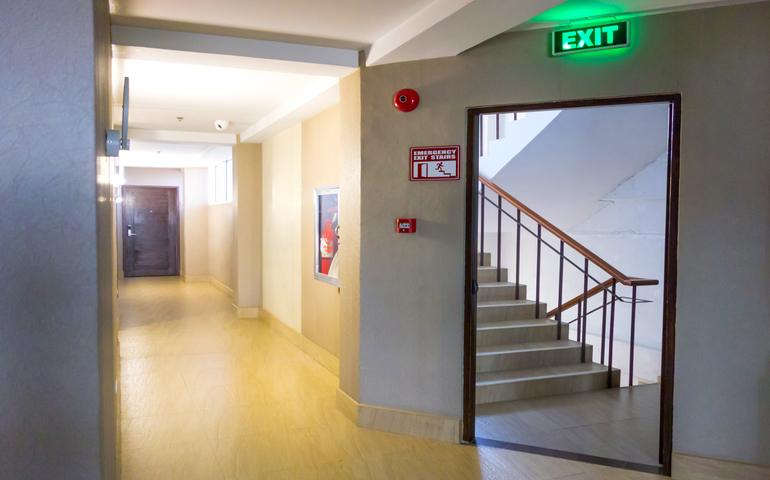
Image Credit: MaeManee/Shutterstock
Drumroll… safety pros and seasoned travelers agree that floors between the 2nd and 6th are generally the safest hotel floors to stay on. Here’s why:
- Too low, and you’re too accessible: Ground-floor rooms are often closer to entrances, parking lots, and public areas, making them more vulnerable to break-ins.
- Too high, and emergency help gets harder: Fire ladders and rescue operations typically reach up to about the 6th or 7th floor. Anything higher can slow down evacuation during emergencies.
So that sweet middle ground floors 2 through 6 is where you’ll find the best floor to stay in a hotel for safety. You’re high enough to deter intruders but low enough to be reachable if something goes wrong.
Also Read: Why Smart Hotels Are the Next Big Thing in Hospitality?
A mini hotel floor safety guide (without boring you to sleep)
When it comes to hotel safety, it’s not just about what floor you’re on, it’s how you prepare. Here’s a quick hotel floor safety guide that blends practicality with peace of mind:
- Count the doors to the stairwell: Seriously, after check-in, take a walk down the hall and note how many doors between your room and the nearest emergency exit. In darkness or smoke, this simple step can save your life.
- Avoid rooms directly above lobbies, bars, or kitchens: Those are often noisiest, and in emergencies, they’re central chaos zones.
- Always check for sprinklers and smoke detectors: A quick glance can tell you a lot about a hotel’s maintenance standards.
- Use that deadbolt and security latch: It’s surprising how many travelers skip this.
- Keep your key card and phone close to your bed: If an evacuation happens at night, you won’t lose precious time.
And hey, before you even set foot in your next destination, make your journey smoother: Compare and book cheap flights online, so you arrive stress-free and ready to enjoy the adventure.
Picking your room: the subtle art of being safe and comfortable
We like to think of hotel rooms as mini ecosystems, each floor has its own vibe. The higher floors tend to offer killer views (and sometimes better air quality), while the lower-middle floors feel cozier, safer, and quicker to access.
If you’re a solo traveler or visiting a new city, opt for the safest hotel floor to stay on, which is usually the third or fourth. They’re perfect for balancing security and convenience. Plus, if the elevator ever fails (hello, travel karma), you won’t break a sweat taking the stairs.
When booking, don’t be shy about requesting your preferred floor. A simple “Could I please have a room between the 2nd and 5th floor?” can make a big difference. Hotels usually accommodate such requests, especially boutique or business hotels.
Pro tip: always check reviews that mention safe hotel floors and staff responsiveness. Sites often have hidden gems of info in traveler comments.
Also Read: New GST Rate on Hotel Room Stays Explained: A Game-Changer for Travelers
Staying safe beyond your hotel floor
Safety isn’t just about your room, it’s about your entire travel rhythm. If you’re hopping from one city to another, plan it smart:
- Book hotels online only through trusted platforms that verify guest reviews and security standards.
- Holiday packages in India at best prices can sometimes include hotels with top-tier safety certifications.
- Cab services in India ensure you have reliable transportation to and from your hotel without worrying about shady local rides.
- Don’t forget your finances when visiting foreign country; carry minimal cash and use forex exchange for currency needs instead of random counters.
Quick hotel safety tips for travelers
Even if you’re not a paranoid traveler, it helps to follow these little hotel safety tips:
- Use the peephole before opening the door.
- Never share your room number out loud.
- If something feels off, trust your gut. Call the front desk and report it.
- In case of fire, skip the elevator. Always take the stairs.
- And finally, don’t post your exact room or floor on social media while you’re still staying there. (Save that balcony selfie for checkout day!)
These hotel safety tips for travelers might sound simple, but they add up to a trip that’s both comfortable and secure.
So, what’s the best floor to stay for safety?
Let’s summarize it like a traveler would:
- Floors 2–6 are the safest hotel floors.
- Avoid ground floor (for security) and floors above 7 (for evacuation reasons).
- Always pick a room close to the stairwell, not the elevator.
- Keep your safety habits sharp, even in fancy hotels.
Because ultimately, the safest hotel floor isn’t just about numbers, it’s about awareness, readiness, and choosing your space wisely.
Conclusion:
Every traveler’s journey is different, but one thing stays the same: we all sleep better when we feel safe. Next time you check into a hotel, skip the fancy penthouse and aim for that sweet middle zone. Because somewhere between the second and sixth floors lies not just comfort, but confidence.
So, here’s to you finding the safest hotel floor, a good night’s sleep, and one less travel worry on your mind.
If you are planning a trip internationally, check out online visa services for 180+ countries and get your travel documents sorted effortlessly before your trip.
FAQs – Safest Hotel Floor
1. What floor is the safest in a hotel?
Floors between the 2nd and 6th levels are considered the safest in most hotels. They’re high enough to avoid ground-level break-ins but low enough for easy evacuation during emergencies.
2. What is the best floor to stay on in a hotel?
The 3rd or 4th floor is often the best for both comfort and safety; close enough to exits, yet away from lobby noise and street access.
3. Where is the safest room in a hotel?
Rooms near emergency exits but not directly next to stairwells are safest. They offer quick access in an emergency without being exposed to heavy foot traffic.
4. Are higher floors safer?
Not always. While higher floors can offer privacy and great views, they’re harder to evacuate from during fires or power outages. Staying below the 7th floor is usually safer.
5. Why cover the peephole in a hotel room?
Covering the peephole prevents anyone from using a reverse viewer to look inside your room. A small sticker or tissue works perfectly for extra privacy.
6. How to tell if a hotel is safe?
Look for secure entry systems, 24-hour staff, smoke detectors, and positive safety reviews. Verified booking sites and traveler feedback are the best ways to judge hotel safety before you book.
You May Also Love:
Light Up Your Stay with Boutique Hotels for Diwali Celebrations
Fireworks, Feasts & Fanfare: Top Hotels for New Year’s Eve Celebrations
Boutique Hotels Celebrating Local Art and Handcrafted Heritage
Akbar Travels Services
Best Flight Deals
Kozhikode to Ras Al Khaimah Flight Tickets | Tiruchirappali to Singapore Flight Tickets | Doha to Kannur Flight Tickets | Ahmedabad to Pune Flight Tickets | Coimbatore to Mumbai Flight Tickets | Bangalore to Bagdorgra Flight Tickets
Domestic Flights
Pune Bangalore Flights | Chennai Delhi Flights | Bangalore Chennai Flights | Mumbai Delhi Flights |Bangalore Hyderabad Flights |Ahmedabad Goa Flights | Mumbai Kolkata Flights | Hyderabad Delhi Flights | Bangalore Goa Flights | Mumbai Goa Flights
International Flights
International Flights Booking | Delhi Dubai Flights | Delhi Bangkok Flights | Delhi Toronto Flights | Mumbai Dubai Flights | Delhi Singapore Flights |Delhi London Flights | Delhi Kathmandu Flights | Mumbai London Flights | Chennai Singapore Flights | Mumbai Singapore Flights | Delhi New York Flights |Kolkata Bangkok Flights
Apply Visa Online
Dubai Visa Online | 14 days Dubai Visa | 30 days Dubai Visa | 60 days Dubai Visa | Dubai Transit Visa | UAE Visa | Singapore Visa | Malaysia Visa | Thailand Visa | Sri Lanka Visa | US Visa | UK Visa | Schengen Visa |Canada Visa | Australia Visa | New Zealand Visa | France Visa | Italy Visa | Turkey Visa Online |Philippines Visa | Cambodia Visa Online |Vietnam Visa Online | Oman Visa
International Holiday Packages
Dubai Tour Packages | Singapore Tour Packages | Thailand Tour Packages | Malaysia Tour Packages | Sri Lanka Tour Packages | US Tour Packages | United Kingdom Tour Packages | South Africa Tour Packages |Europe Tour Packages | Bali Tour Packages | Mauritius Tour Packages | Maldives Tour Packages |Cordelia Cruise Packages |
Domestic Holiday Packages
India Tour Packages | Goa Tour Packages | Kerala Tour Packages | Leh Ladakh Tour Packages | Himachal Tour Packages | Andaman Tour Packages | Rajasthan Tour Packages | Uttarakhand Tour Packages |Jammu and Kashmir Tour Packages
Packages by Themes
Honeymoon Packages | Adventure Packages | Visa on Arrival Packages |Family Packages | Romantic Packages | Weekend Getaways Packages

Pingback: Hotel Nightmares into Dream Staycations: Know What to Look For
Pingback: 10 Days New Zealand Itinerary: The Ultimate Kiwi Adventure
Pingback: Hybrid Hotels: Co-Living, Co-Working, and Co-Traveling
Pingback: Unique Jail Hotels: You’ll Find Reasons to Get Locked Up
Pingback: Tired of Overpriced Hotels? Try These Cheap Alternatives to Hotels