


Schengen Visa Rules and Regulations
Planning a European journey brings both excitement and a flood of questions. A good start is understanding the Schengen Visa Rules and Regulations, the simple ground rules that decide whether your application will be accepted or come back with questions. This is not about thick legal terms; it’s about what actually happens at the desk when you hand in your papers and the tiny things that make a big difference.
The Schengen area lets visitors cross from one country to another without repeated checks, but only after meeting a set of clear requirements that visa officers look for every day. Think of these Schengen visa rules as the foundation for every successful Schengen trip, and once you’re comfortable with them, the rest of your planning flows better.
Who Needs a Schengen Visa
The core of Schengen Visa Rules and Regulations starts with a simple question: do you need one? For citizens of Sri Lanka and Indian passport holders, the answer is usually yes. There is no Schengen visa on arrival for Indians or Sri Lankan passport holders at the moment, so entry permission must be sorted before you travel. This means preparing your documents well ahead and understanding what the visa officer wants to see. A few other nationalities do have easier access or can use an Schengen E-Visa or an Schengen ETA for Indians initiative when it becomes fully active, but as things stand today most applications still go through the standard office or application centre route. The moment you know this much, you’ve cleared the biggest confusion that many face before planning cheap flights to Paris from Mumbai or booking best hotels in Zurich.
Types of Schengen Visas
Knowing the Schengen Visa Rules and Regulations means knowing which kind of visa you need. There are different types of Schengen visas, and choosing the right one makes your application clearer.
The most common is the tourist visa, which lets you visit family, enjoy sights, or join cultural events for short stays. A Schengen tourist visa for Indian applicants is usually issued for up to 90 days within a 180-day period. Then there are business visas if you are attending meetings or events, student visas if you are going for study, and work visas for employment. There are also transit visas for moving through the region en route to another place — and timing for those is looked at closely under Schengen transit visa processing time rules.
Each category has different expectations around proof and purpose, and part of the rules is simply matching your plan with the right visa type.
Eligibility Criteria for Schengen Visa
The Schengen Visa Rules and Regulations for eligibility boil down to a few practical truths that matter at the counter. You need a valid passport that isn’t about to expire soon after your return. Your financial history should show stability and enough funds to cover your stay. You should have travel plans that make sense, and you need health insurance that meets the region’s minimum coverage.
Visa officers pay attention to how believable and consistent your documents are. Sudden large deposits in a bank account shortly before applying can raise questions, so steady history is better than last-minute top ups. Being clear about why you’re visiting, where you will go each day, and what you plan to do removes guesswork from the file. These are the daily concerns hidden inside the Schengen visa requirements for Indians and others applying from Sri Lanka.
If staying in premium accommodation such as one of the best hotels in Zurich, ensure reservation dates match invitation period exactly.
Application Process and Required Documents
Getting through the Schengen Visa Rules and Regulations starts with the application itself — and that means selecting the right place to apply. It’s easiest to apply through Akbar Travels, they handle the whole process smoothly and explain each step in plain terms. You’ll need your passport, a filled application form, a couple of recent photos taken to standard requirements, proof of travel insurance, and evidence of accommodation and finances. You’ll also book an appointment at the visa application centre or embassy, submit your documents, and sometimes give fingerprints and a short interview.
Don’t underestimate the small things. Photos that are slightly older or have the wrong background can slow your visa processing time or lead to a return of the file. Your application form needs to reflect the same trip dates that appear on your flight reservations. An obvious mismatch, such as listing one entry date on your plan and another on your flight tickets, is one of the most common triggers for questions during processing.
Many Sri Lankan and Indian travellers find that having help through akbartravels.com reduces simple mistakes that otherwise cause delays.
Schengen Visa Fees and Payment Rules
Part of the Schengen Visa Rules and Regulations is knowing about costs. There is a standard visa processing fee that must be paid when you submit your application. The fee is set by the consulate and can vary slightly depending on where you apply. There is an additional service charge if you apply through a visa centre. Payment rules differ by country — some accept cards, others need bank drafts, and some want cash at the counter. Check ahead so that you are not stuck without the correct payment method on your appointment day.
Prepared travellers know to carry a small buffer amount in case exchange rates shift or the centre adds a handling charge.
Visa Validity and Duration of Stay
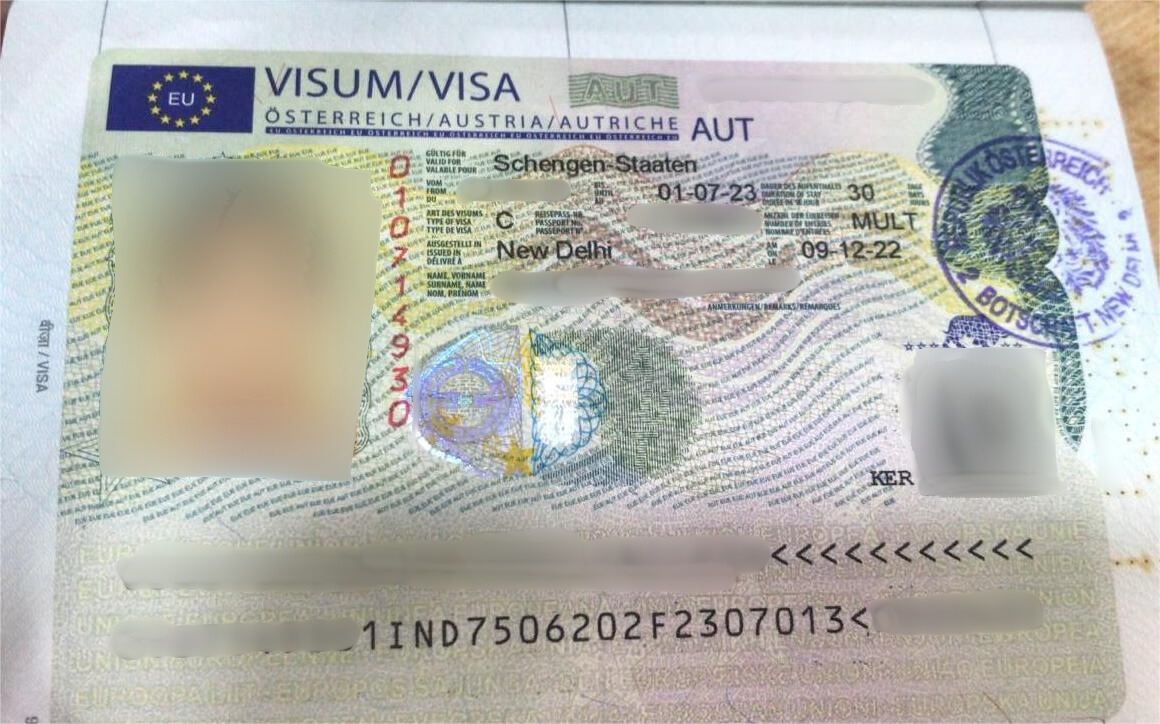
Under the Schengen Visa Rules and Regulations the period you can stay in the region is separate from how long the visa itself is valid. Most short stay visas give you up to 90 days within a 180-day time frame. But your visa might be valid for a longer calendar period. That means you could enter the region at different times within that year if the visa is multiple entry. When you read the page on your visa, the dates you can use it tell you when you can enter, and the days count tells you how long you can stay.
A frequent point of confusion is thinking validity means allowed stay. Keep them distinct in your mind when planning your itinerary and booking flights or Schengen tour packages.
Schengen Visa Renewal and Extension Rules
Sometimes your plans change and you need to extend your stay. The Schengen Visa Rules and Regulations allow extensions only in limited cases, usually for emergencies like unexpected medical issues or bereavements. You cannot normally extend a tourist visa just to spend more time shopping or sightseeing. You must apply to the same authority that issued your visa and show good reason why you need more time and why you could not plan for it earlier.
Even legitimate extensions can take time to review. That is why many travellers aim for multiple entry visas or plan their trip carefully so they do not rely on extensions.
Common Reasons for Visa Refusal
One of the most human parts of the Schengen Visa Rules and Regulations is what happens when things go wrong. Refusals are not the end of the world, but they do usually come down to some predictable gaps.
Often it is because the travel plan looked vague — missing details about where you will stay or what you will do. That is why a clear itinerary helps. Another common issue is insurance that does not meet the coverage requirement. Financial proof that looks inconsistent or unclear shows the visa officer that your support is shaky. And simple document mismatches, like a passport page number that does not match the application, can trigger a refusal. Reading the refusal reason carefully and correcting that one issue before reapplying is the practical way forward.
Updates and Changes to Schengen Visa Regulations
Visa rules change over time. Recent years have brought talks about different entry systems and new options like Schengen visa online or proposals for an Schengen E-Visa. There are also discussions about easier transit options but at the moment procedures still rely on appointments and document submission in person. A good Schengen travel guide 2026 will keep an eye on these changes as they are officially rolled out.
The rule changes often come first as announcements from the European Council or specific embassies, and then become active after a set date. Keeping current with official sites and trusted partners like akbartravels.com makes sure you are not basing plans on outdated information.
This guide captures the real practical side of Schengen Visa Rules and Regulations — what happens, what matters, and how to avoid the small mistakes that slow things down. If any part needs deeper clarification or a focused guide on one type of visa, just ask — that can be prepared too.
FAQs:
Q.What is the main point of Schengen Visa Rules and Regulations?
They set the conditions under which travelers can be allowed in the region, covering eligibility, documents, validity, and responsibilities.
Q.Can a visa be extended while in the Schengen area?
Only in special circumstances like emergencies and with proof of the reason.
Q.Do children need separate applications?
Yes, every traveler needs their own visa application even if listed on someone else’s form.
Q.Is travel insurance really required?
Yes, meeting the insurance requirement is part of the Schengen visa requirements for Indians and others alike.
Q.How far in advance should one apply?
It is safest to apply a few weeks ahead to allow for processing and appointment scheduling.
Q.Does visa validity equal allowed days of stay?
No, validity is the window of use while allowed stay is how long you can remain inside the region.
Q.Are there different Schengen visa types for different purposes?
Yes, understanding the right category keeps your application aligned with the rules.
Q.Can a visa application be submitted online?
Some processes begin online, but submission at a centre is still required under the current Schengen Visa Rules and Regulations.
Q.Does holding a visa guarantee entry?
A visa gives you permission to travel to the border, but the final decision is made at the point of entry.
Q.Are flight or hotel reservations required?
Evidence of travel like flights and confirmed accommodation reservations helps officers see your plan clearly.
Schengen Visa Sample
More About Schengen Visa
- Types of Schengen Visas
- Schengen Business Visa
- Schengen Work Visa
- Schengen Student Visa
- Schengen Visa Rejection Reasons
- Schengen Visa Eligibility
- Schengen Visa Photo Requirements
- Schengen Visa Documents and Requirements
- Schengen Visa Fees for Indian Citizens
- Schengen Visa Renewal
- Schengen Visa Extension
- Schengen Visa Rejection Appeal
- Schengen Tourist Visa for Indians
- International Flight
- Domestic Flight
- Hotels
- Visa
- Domestic Tour Packages
- International tour packages
- Cruise Lines
New Delhi to Dubai FlightsMumbai to Dubai FlightsDelhi to London FlightsDelhi to Bali FlightsDelhi to Kathmandu FlightsDelhi to Singapore FlightsMumbai to London FlightsChennai to Dubai FlightsMumbai to Hanoi FlightsMumbai to Bali Denpasar FlightsAhmedabad to Dubai FlightsDelhi to Hong Kong FlightsDubai to Mumbai FlightsMumbai to Singapore FlightsDelhi to Paris FlightsBangalore to Ho Chi Minh City FlightsChennai to Bangkok FlightsAmritsar to Dubai FlightsDelhi to Toronto FlightsDelhi to Tokyo FlightsBangalore to Bangkok FlightsMumbai to Abu Dhabi FlightsKochi to Dubai FlightsKozhikode to Dubai FlightsNew Delhi to Bangkok FlightsDelhi to Tehran FlightsChandigarh to Dubai FlightsBangalore to Dubai FlightsAhmedabad to London FlightsKannur to Dubai FlightsNew Delhi to Phuket FlightsMangalore to Dubai FlightsMumbai to Bangkok FlightsNew Delhi to Almaty FlightsKochi to Sharjah FlightsMumbai to Kualalumpur FlightsKochi to Abu Dhabi FlightsKolkata to Phuket FlightsMumbai to Hong Kong FlightsKuwait to Chennai FlightsAhmedabad to Toronto FlightsDelhi to Melbourne FlightsPune to Bangkok FlightsIndore to Dubai FlightsInternational Flights Booking
Delhi to Goa Flights Mumbai to Delhi Flights Delhi to Mumbai Flights Delhi to Bangalore Flights Bangalore to Delhi Flights Delhi to Chennai Flights Chennai to Delhi Flights Delhi to Hyderabad Flights Hyderabad to Delhi Flights Delhi to Kolkata Flights Kolkata to Delhi Flights Delhi to Pune Flights Pune to Delhi Flights Mumbai to Goa Flights Bangalore to Goa Flights Chennai to Goa Flights Hyderabad to Goa Flights Mumbai to Bangalore Flights Bangalore to Mumbai Flights Mumbai to Chennai Flights Chennai to Mumbai Flights Mumbai to Hyderabad Flights Hyderabad to Mumbai Flights Mumbai to Kolkata Flights Kolkata to Mumbai Flights Bangalore to Chennai Flights Chennai to Bangalore Flights Bangalore to Hyderabad Flights Hyderabad to Bangalore Flights Ahmedabad to Mumbai Flights Mumbai to Ahmedabad Flights Kochi to Bangalore Flights Bangalore to Kochi Flights Trivandrum to Bangalore Flights Bangalore to Trivandrum Flights Kochi to Mumbai Flights Mumbai to Kochi Flights Jaipur to Mumbai Flights Mumbai to Jaipur Flights Indore to Mumbai Flights Mumbai to Indore Flights Domestic Flights Booking
Best Hotels In Abu Dhabi Best Hotels In Agra Best Hotels In Ajmer Best Hotels In Alibaug Best Hotels In Alleppey Best Hotels In Alwar Best Hotels In Ambala Best Hotels In Amritsar Best Hotels In Anjuna Beach Best Hotels In Baga Beach Best Hotels In Bengaluru Best Hotels In Bikaner Best Hotels In Bilaspur Best Hotels In Candolim Beach Best Hotels In Chail Best Hotels In Chennai Best Hotels In Dubai Best Hotels In Fort Kochi Best Hotels In Gulmarg Best Hotels In Gurugram Best Hotels In Hampi Best Hotels In Havelock Best Hotels In Hyderabad Best Hotels In Jaipur Best Hotels In Kanyakumari Best Hotels In Kochi Best Hotels In Kodaikanal Best Hotels In Kovalam Best Hotels In Kullu Best Hotels In Leh Best Hotels In Lonavala Best Hotels In Lucknow Best Hotels In Mahabalipuram Best Hotels In Manali Best Hotels In Mangalore Best Hotels In Mount Abu Best Hotels In Munnar Best Hotels In Mysore Best Hotels In Nashik Best Hotels In New Delhi Best Hotels In Ooty Best Hotels In Pahalgam Best Hotels In Pondicherry Best Hotels In Pune Best Hotels In Secunderabad Best Hotels In Sharjah Best Hotels In Shimla Best Hotels In Sinquerim Beach Best Hotels In Thane Best Hotels In Thekkady Best Hotels In Tirupati Best Hotels In Trivandrum Best Hotels In Udaipur Best Hotels In Vagator Beach Best Hotels In Wayanad Best Hotels In Yercaud Best Hotels In Vishakapatanam
Dubai Visa Singapore Visa Malaysia Visa Malaysia Visa Sri Lanka Visa Schengen Visa US Visa UK Visa China Visa Australia Visa
Kashmir Holiday Package Leh Ladakh Packages Goa Holidays Andaman Holidays Kerala Tour Packages Himachal Packages
We Accept


Members Of


Certified by

Powered by

Follow us


Copyright © 2026 www.akbartravels.com All Rights Reserved.