


Schengen Visa Rejection Appeal for Indians
Getting a Schengen visa refusal letter feels like a sudden halt in a journey that was meant to begin soon. When that letter arrives, what follows is Schengen Visa Rejection Appeal is a process that lets you ask the authorities to rethink their decision. This is not a “retry button” you press automatically, but a structured way to explain why the first decision missed something important. For many travellers heading from Sri Lanka, especially those planning a Schengen trip with stops near cheap flights to Paris from Mumbai or stays at best hotels in Zurich, understanding this appeal process gives a calm direction after an initial disappointment. It turns a moment of confusion into an organised step forward.
What Does a Schengen Visa Rejection Mean?
When thinking about Schengen Visa Rejection Appeal, first it helps to know what rejection actually indicates. A rejection means the officer who looked at your application felt the evidence did not convincingly show you met the entry criteria. It is not a personal judgement or a permanent barrier. It simply means that based on the documents and story you presented, the officer could not be sure about your purpose of visit, your financial backing, or your intent to return home. In some cases, missing a single sheet, like travel insurance or passport pages, can tip a decision the wrong way. The letter you receive usually also includes a rejection note or reason which becomes crucial for preparing your appeal.
For Schengen visa for Indians or Sri Lankan visitors, reading that rejection reason slowly, and with attention, turns out to be one of the most important next steps. It points you toward what to fix or clarify in your appeal. You can also book the best hotels in Zurich with Akbar Travels for a memorable holiday.
Top Reasons for Schengen Visa Rejection
The first thing people ask after a Schengen Visa Rejection Appeal becomes an idea is “Why was it rejected in the first place?” There are a few common patterns behind most refusals. One is incomplete documentation. Visa officers cannot guess missing proof; they make decisions only on what is in front of them. Proof of funds that looks inconsistent, insurance that does not cover the entire stay, or flight details that do not align with dates on your form all cause questions.
Another pattern is travel history. Applicants with no prior foreign trips sometimes face more scrutiny under Schengen visa requirements for Indians because officers assess whether the applicant’s history shows respect for visa rules. Then there are cases where the purpose of visit is unclear, a vague itinerary without accommodation bookings or invitation letters tends to weaken the file.
Understanding these reasons helps when preparing a Schengen Visa Rejection Appeal, so you know what to address clearly and what to support with extra evidence.
Schengen Visa Refusal Codes
When you receive a refusal, the letter often includes a refusal code. These codes are shorthand that the consulate uses to quickly signal the type of issue that led to the decision. Knowing these codes matters because your Schengen Visa Rejection Appeal will focus on answering the specific concern behind each one. A code about “insufficient funds” means you need stronger proofs of financial backing. A code about “incomplete documents” calls for resubmission with the missing pieces included.
While these codes might feel like cryptic jargon at first, they are actually very practical once you take time to understand them. Often, replying to the code directly by adding proper evidence becomes the heart of a successful appeal.
What Should You Do After Schengen Visa Rejection?
Getting a rejection letter is disappointing, especially when you had begun thinking about tour options or Schengen tour packages. The first practical step after a Schengen Visa Rejection Appeal becomes an option is to read that letter word by word, and not just glance at it. The embassy usually provides a reason and sometimes a code. That reason becomes your roadmap for what needs to be explained in the appeal.
Second, organise your original file in the order it was submitted and note where the missing or weak piece might be. This helps you avoid simply repeating the same submission. Lastly, check whether you must submit the appeal within a certain time frame. Some embassies give you a window, and acting early can make a difference.
Schengen Visa Appeal Process
The actual Schengen Visa Rejection Appeal involves writing a clear letter addressed to the visa authority explaining why you believe the refusal decision should be reconsidered. This letter is a structured explanation of facts, backed by documentary evidence. The tone should be polite and focused on details, not emotions. You don’t need dramatic language; you need clear evidence and direct responses to the concerns raised in the refusal reason and code.
Include copies of additional documents that directly respond to the rejection reason. For instance, if the officer noted unclear accommodation, include detailed bookings with names and dates. If finances were questioned, attach up-to-date bank records or salary slips.
It’s worth making sure your appeal is neat, well organised, and centred around the reasons given in your rejection letter. That shows respect for the process and makes it easier for the officer to think about changing the decision.
Reapplying After Schengen Visa Rejection
Sometimes, instead of an appeal, reapplying is a better path, especially when the refusal reason was a major documentation gap. A fresh application can be submitted after addressing all the weak points from your earlier file. For both appeal and reapplication, knowing Schengen travel tips like starting early and anticipating busy seasons helps shape better timing.
If you are unsure about whether to appeal or reapply, it’s easiest to seek guidance from people who have handled these paths many times. A trusted partner like akbartravels.com helps evaluate your rejection reason, suggest which path might give you a stronger chance, and often handles the submission process smoothly.
How to Avoid Schengen Visa Rejection
One helpful thought when considering Schengen Visa Rejection Appeal is that prevention is always easier than correction. Clear documentation from the start, aligned with Schengen visa requirements for Indians or Sri Lankan travellers, reduces the chances of rejection. Do not underestimate small details like the format of travel insurance, or photos that meet the standard photo requirements, incorrect photos are a surprisingly common reason for delays or initial refusals.
Being consistent across your itinerary, insurance, financial proof, and purpose letters makes your file easier to assess. Officers review dozens of files daily, and a neat, coherent application often gets smoother decisions.
How Akbar Travels Helps After Schengen Visa Rejection
A refusal decision is not the end of the road, but facing it alone can feel daunting. That is why many travellers choose to work with someone experienced. When facing Schengen Visa Rejection Appeal, a service like akbartravels.com helps you organise your argument, understand the refusal reason, and package the supporting evidence properly. It’s easiest to apply through them if you want professional eyes on what might look like conflicting details or missing proofs.
They help identify whether an appeal is appropriate or if a fresh application makes more sense based on the situation. This is one of the quiet advantages that most first-time applicants miss, having someone check the nuances before submission.
Schengen Visa Reapplication Process with Akbar Travels
If after refusal it seems stronger to reapply rather than appeal, a guided path often feels smoother. With Schengen Visa Rejection Appeal cases that shift to full reapplication, the team at akbartravels.com helps reorder documents, update your timeline, and plan appointments so your next submission is more confident. They make sure that photos, insurance coverage, itinerary details, and financial records align with the expectations of consulates ahead of your chosen travel dates.
Adhering to these details from the start means fewer surprises at the counter and a better sense of confidence that your application is complete and clear.
Facing a Schengen Visa Rejection Appeal can feel like a new kind of journey, but with clear reasoning, proper documentation, and a calm approach, it becomes manageable. When matched with realistic timelines, good evidence, and organised submissions, many travellers find success in turning a refusal into a renewed opportunity to make their European travel plans real.
FAQs:
Q.Can anyone file a Schengen Visa Rejection Appeal?
Yes. Anyone whose visa was refused can appeal if the embassy allows it and the timeframe is still open.
Q.Does an appeal increase the chance of approval?
It helps when the appeal addresses the specific reasons the original application was refused.
Q.Is an appeal the same as reapplying?
No. Appeal is asking for reconsideration of the same file, while reapplying starts the process anew.
Q.Does the fee paid for visa get refunded on rejection?
Usually not. But check embassy policies for specifics.
Q.Can reapplication use the same documents?
Only if they are still valid and address the earlier gaps clearly.
Q.Do photo requirements change for an appeal?
Photos remain part of the file and must meet the same standards every time.
Q.Is appeal processing time shorter?
It varies. Sometimes it can take as long as the original processing time.
Q.Can appeal be done online?
Some embassies allow parts of the appeal to start online but often require physical submission too.
Q.Does appeal affect future visa requests?
Handled well, it does not harm future applications.
Q.Is an invitation letter helpful in the appeal?
Yes, especially when the purpose of visit was unclear in the first application.
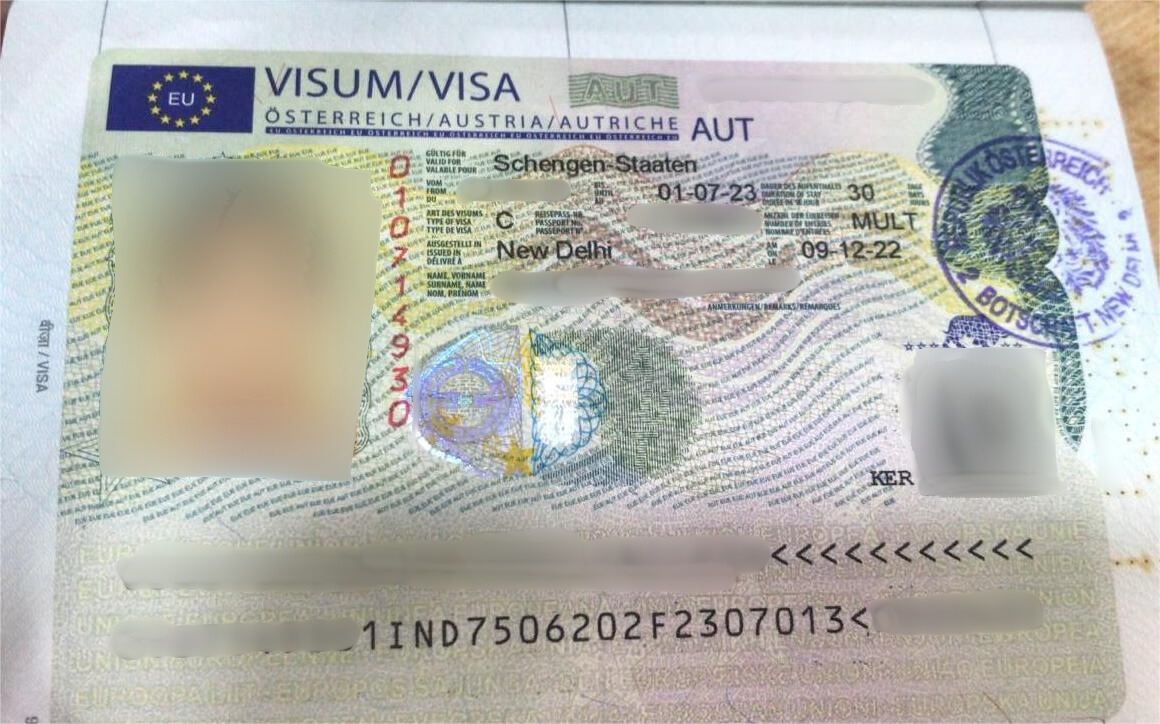
Schengen Visa Sample
More About Schengen Visa
- Types of Schengen Visas
- Schengen Business Visa
- Schengen Work Visa
- Schengen Student Visa
- Schengen Visa Rejection Reasons
- Schengen Visa Eligibility
- Schengen Visa Rules and Regulations
- Schengen Visa Photo Requirements
- Schengen Visa Documents and Requirements
- Schengen Visa Fees for Indian Citizens
- Schengen Visa Renewal
- Schengen Visa Extension
- Schengen Tourist Visa for Indians
- International Flight
- Domestic Flight
- Hotels
- Visa
- Domestic Tour Packages
- International tour packages
- Cruise Lines
New Delhi to Dubai FlightsMumbai to Dubai FlightsDelhi to London FlightsDelhi to Bali FlightsDelhi to Kathmandu FlightsDelhi to Singapore FlightsMumbai to London FlightsChennai to Dubai FlightsMumbai to Hanoi FlightsMumbai to Bali Denpasar FlightsAhmedabad to Dubai FlightsDelhi to Hong Kong FlightsDubai to Mumbai FlightsMumbai to Singapore FlightsDelhi to Paris FlightsBangalore to Ho Chi Minh City FlightsChennai to Bangkok FlightsAmritsar to Dubai FlightsDelhi to Toronto FlightsDelhi to Tokyo FlightsBangalore to Bangkok FlightsMumbai to Abu Dhabi FlightsKochi to Dubai FlightsKozhikode to Dubai FlightsNew Delhi to Bangkok FlightsDelhi to Tehran FlightsChandigarh to Dubai FlightsBangalore to Dubai FlightsAhmedabad to London FlightsKannur to Dubai FlightsNew Delhi to Phuket FlightsMangalore to Dubai FlightsMumbai to Bangkok FlightsNew Delhi to Almaty FlightsKochi to Sharjah FlightsMumbai to Kualalumpur FlightsKochi to Abu Dhabi FlightsKolkata to Phuket FlightsMumbai to Hong Kong FlightsKuwait to Chennai FlightsAhmedabad to Toronto FlightsDelhi to Melbourne FlightsPune to Bangkok FlightsIndore to Dubai FlightsInternational Flights Booking
Delhi to Goa Flights Mumbai to Delhi Flights Delhi to Mumbai Flights Delhi to Bangalore Flights Bangalore to Delhi Flights Delhi to Chennai Flights Chennai to Delhi Flights Delhi to Hyderabad Flights Hyderabad to Delhi Flights Delhi to Kolkata Flights Kolkata to Delhi Flights Delhi to Pune Flights Pune to Delhi Flights Mumbai to Goa Flights Bangalore to Goa Flights Chennai to Goa Flights Hyderabad to Goa Flights Mumbai to Bangalore Flights Bangalore to Mumbai Flights Mumbai to Chennai Flights Chennai to Mumbai Flights Mumbai to Hyderabad Flights Hyderabad to Mumbai Flights Mumbai to Kolkata Flights Kolkata to Mumbai Flights Bangalore to Chennai Flights Chennai to Bangalore Flights Bangalore to Hyderabad Flights Hyderabad to Bangalore Flights Ahmedabad to Mumbai Flights Mumbai to Ahmedabad Flights Kochi to Bangalore Flights Bangalore to Kochi Flights Trivandrum to Bangalore Flights Bangalore to Trivandrum Flights Kochi to Mumbai Flights Mumbai to Kochi Flights Jaipur to Mumbai Flights Mumbai to Jaipur Flights Indore to Mumbai Flights Mumbai to Indore Flights Domestic Flights Booking
Best Hotels In Abu Dhabi Best Hotels In Agra Best Hotels In Ajmer Best Hotels In Alibaug Best Hotels In Alleppey Best Hotels In Alwar Best Hotels In Ambala Best Hotels In Amritsar Best Hotels In Anjuna Beach Best Hotels In Baga Beach Best Hotels In Bengaluru Best Hotels In Bikaner Best Hotels In Bilaspur Best Hotels In Candolim Beach Best Hotels In Chail Best Hotels In Chennai Best Hotels In Dubai Best Hotels In Fort Kochi Best Hotels In Gulmarg Best Hotels In Gurugram Best Hotels In Hampi Best Hotels In Havelock Best Hotels In Hyderabad Best Hotels In Jaipur Best Hotels In Kanyakumari Best Hotels In Kochi Best Hotels In Kodaikanal Best Hotels In Kovalam Best Hotels In Kullu Best Hotels In Leh Best Hotels In Lonavala Best Hotels In Lucknow Best Hotels In Mahabalipuram Best Hotels In Manali Best Hotels In Mangalore Best Hotels In Mount Abu Best Hotels In Munnar Best Hotels In Mysore Best Hotels In Nashik Best Hotels In New Delhi Best Hotels In Ooty Best Hotels In Pahalgam Best Hotels In Pondicherry Best Hotels In Pune Best Hotels In Secunderabad Best Hotels In Sharjah Best Hotels In Shimla Best Hotels In Sinquerim Beach Best Hotels In Thane Best Hotels In Thekkady Best Hotels In Tirupati Best Hotels In Trivandrum Best Hotels In Udaipur Best Hotels In Vagator Beach Best Hotels In Wayanad Best Hotels In Yercaud Best Hotels In Vishakapatanam
Dubai Visa Singapore Visa Malaysia Visa Malaysia Visa Sri Lanka Visa Schengen Visa US Visa UK Visa China Visa Australia Visa
Kashmir Holiday Package Leh Ladakh Packages Goa Holidays Andaman Holidays Kerala Tour Packages Himachal Packages
We Accept


Members Of


Certified by

Powered by

Follow us


Copyright © 2026 www.akbartravels.com All Rights Reserved.