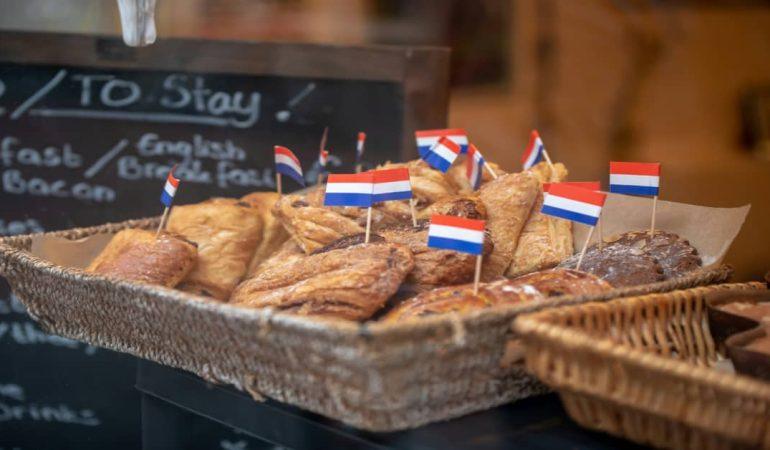
Dutch food is wonderfully snack-friendly: stroopwafels originated in Gouda around 1780, while herring, cheese and fried snacks remain everyday favorites. A typical casual meal can cost roughly €10–€20, and market...
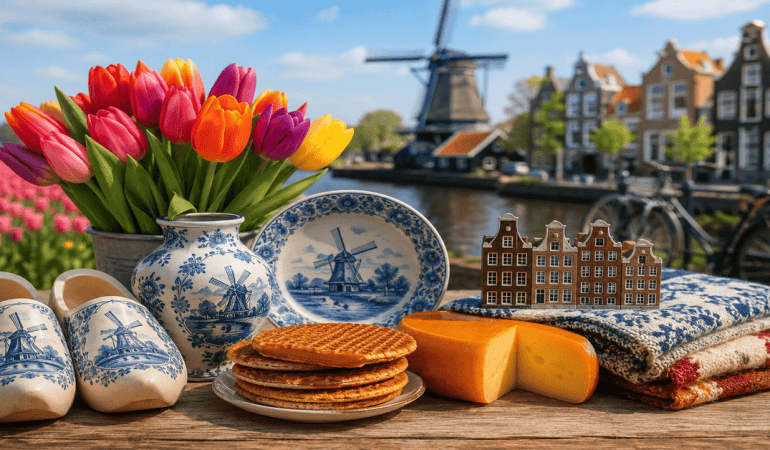
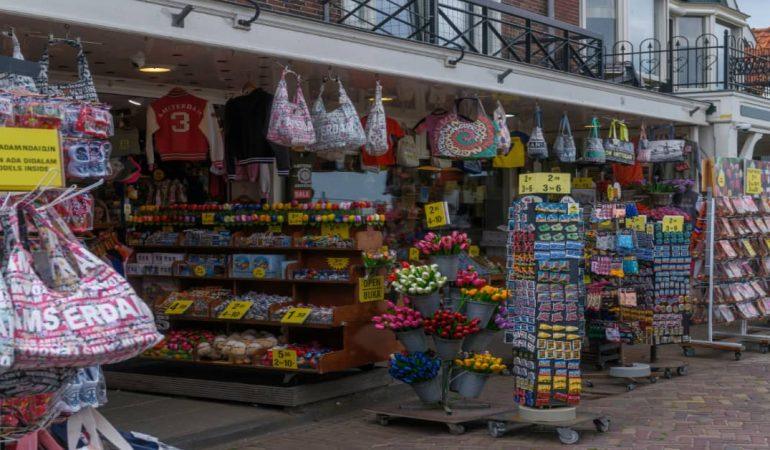
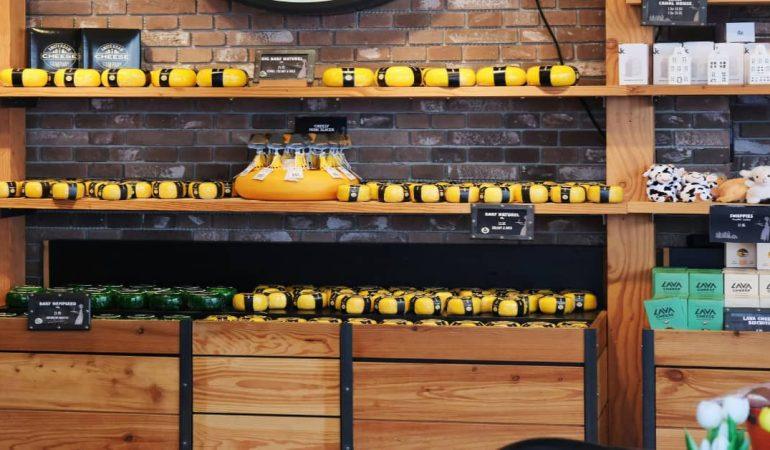
The Netherlands uses the euro (€), and popular Dutch buys include Gouda cheese, stroopwafels, Delft-style ceramics, wooden clogs and Dutch design goods. Indian travellers generally need a Schengen Visa for...
Delft Blue pottery became prominent in the Netherlands during the 17th century. Stroopwafels originated in Gouda, traditionally dated to the 19th century. Gouda and Edam remain famous Dutch cheeses, while...
Delft Blue pottery dates back to the 17th century, while stroopwafels originated in Gouda around the 19th century. Gouda and Edam remain famous Dutch cheeses, and wooden tulips are popular...
The Netherlands uses the euro, summer temperatures often range around 17–25°C, and June can bring more than 16 hours of daylight. Amsterdam Schiphol is the main international gateway, while fast...
Amsterdam has dozens of music venues, from 150-seat emerging-artist rooms to 1,500-capacity halls. Paradiso opened in 1968, while Bimhuis began in 1974 as a stage for Dutch jazz. Summer brings...
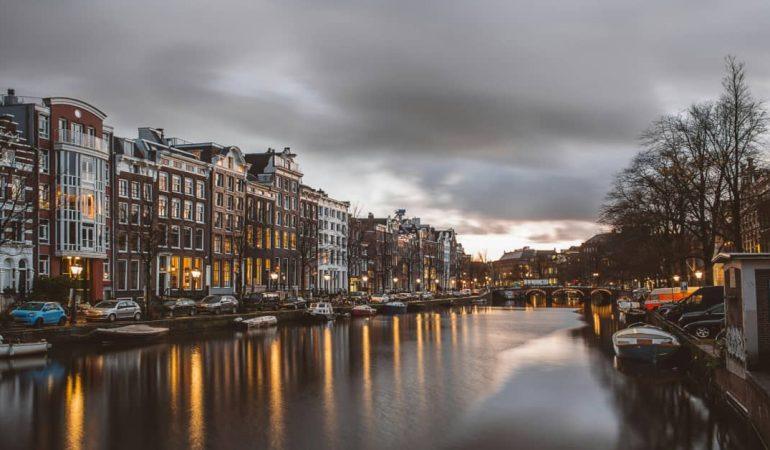
Amsterdam has more than 800 years of history, while its Canal Ring is a UNESCO World Heritage Site. Evening canal cruises commonly last at least 1 hour, and some services...
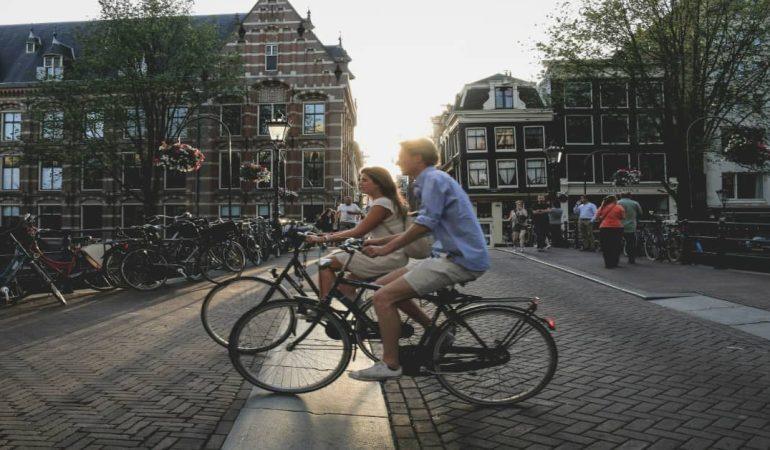
The Netherlands has more than 35,000 kilometres of cycle paths, while Amsterdam alone has hundreds of kilometres of canals. Trains connect major cities quickly, and Schiphol Airport is one of...
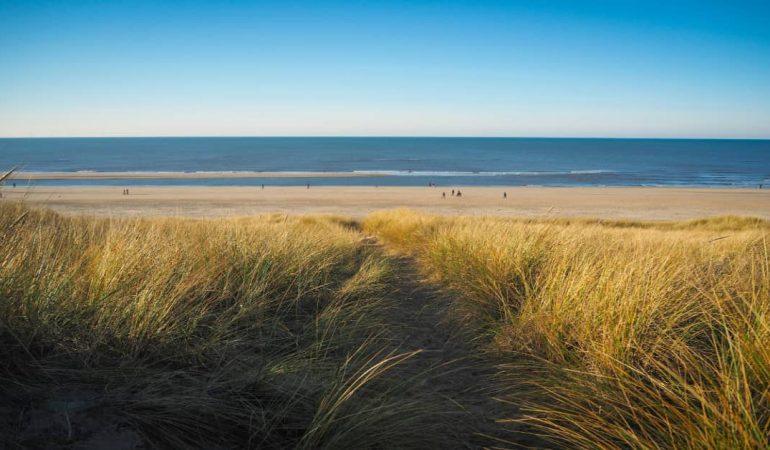
The Dutch coastline stretches for more than 450 km, with around 250 km of sandy beaches and dunes. From Scheveningen to the Wadden Islands, travellers can choose lively promenades, quiet...
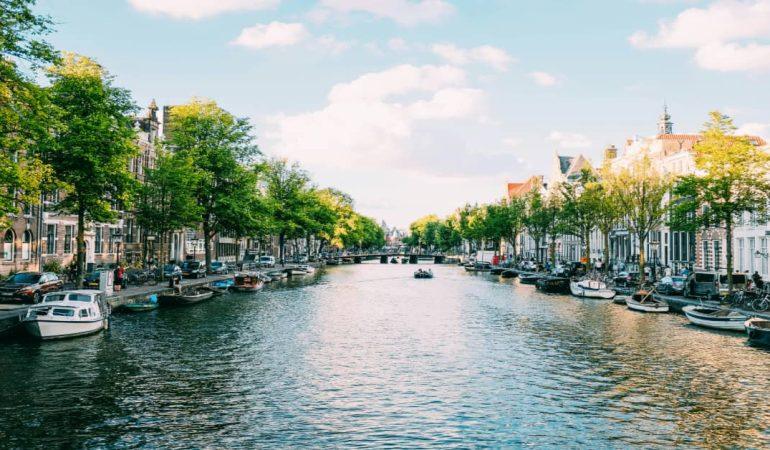
Amsterdam’s historic Canal Ring dates largely from the 17th-century city expansion and became a UNESCO World Heritage Site in 2010. The city’s canals, bridges and narrow houses create an unusually...