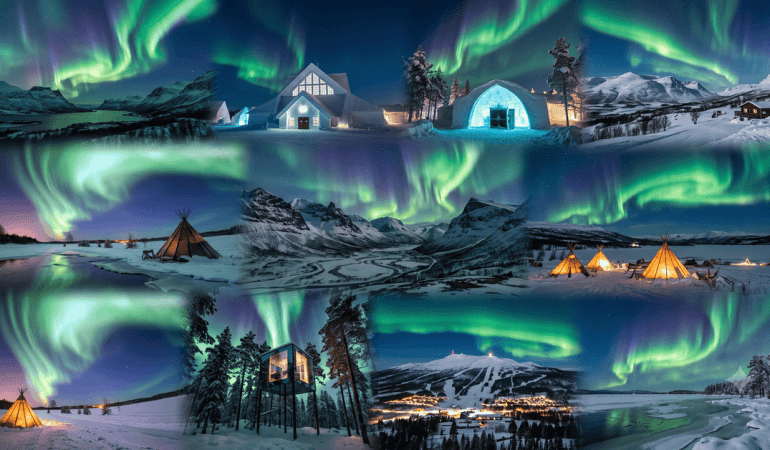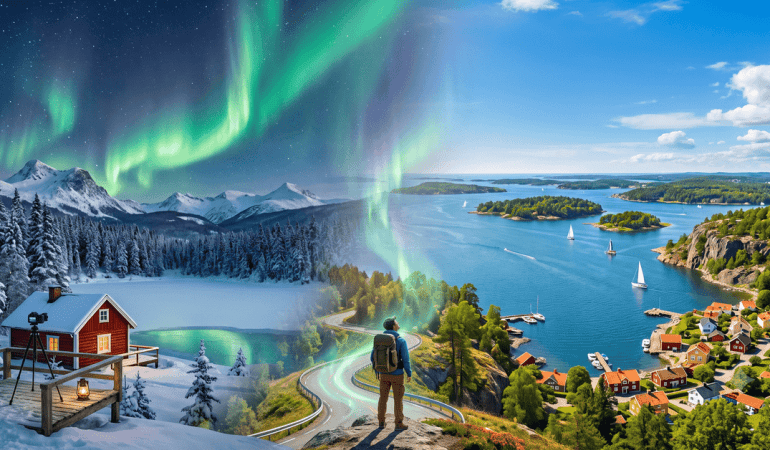
The aurora season in northern Sweden generally runs from early September to late March. Abisko and Kiruna are among the key viewing areas, with the darkest skies offering better conditions....
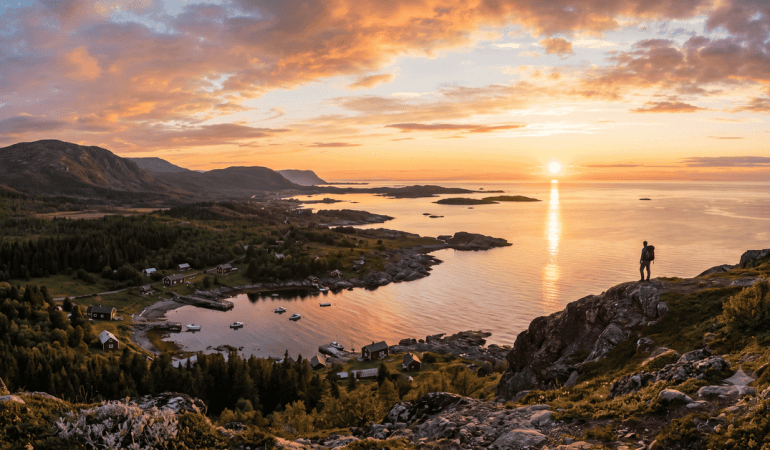
Sweden’s Midnight Sun is visible north of the Arctic Circle during summer. In Kiruna, the phenomenon lasts roughly from 28 May to 14 July. During this period, the sun stays...
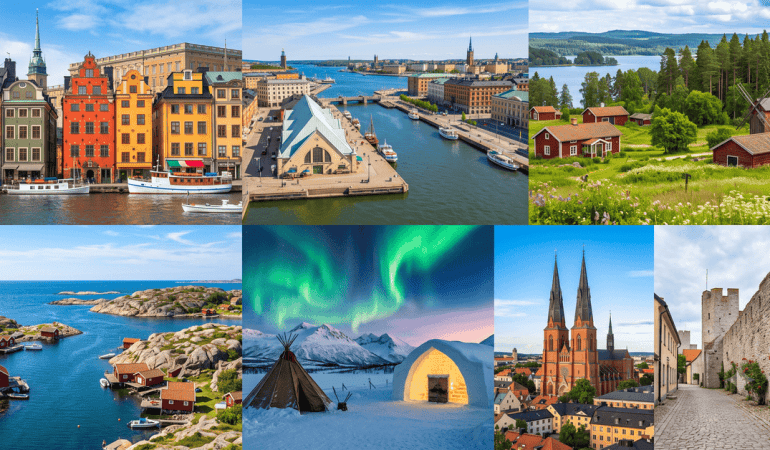
Northern Sweden offers some of Europe’s strongest aurora-viewing conditions. The main season generally runs from early September to late March, when darkness returns to Arctic skies. Abisko, Kiruna and nearby...
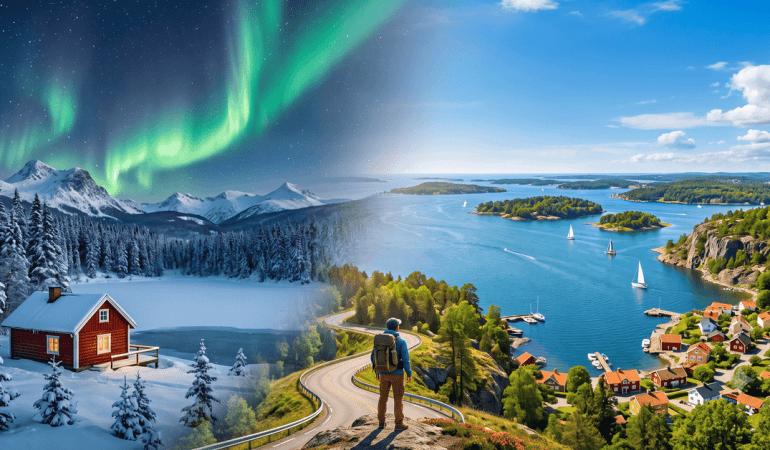
Sweden has four distinct seasons, with summer temperatures commonly around 20–30°C. Northern Sweden can experience the Midnight Sun from late May to mid-July, while the Northern Lights are generally visible...
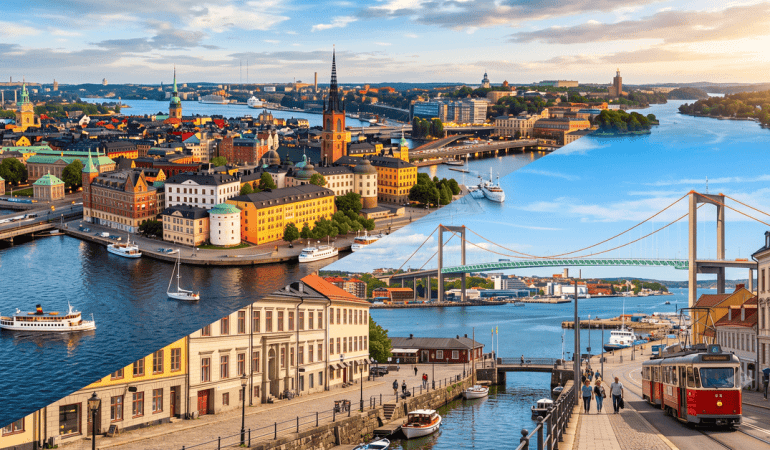
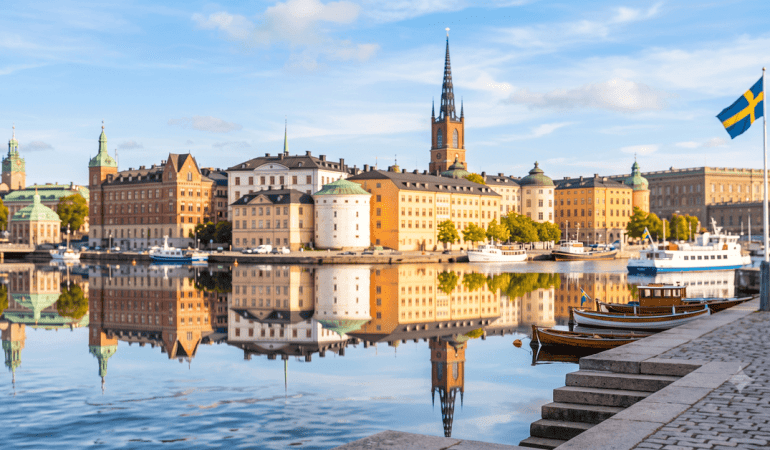
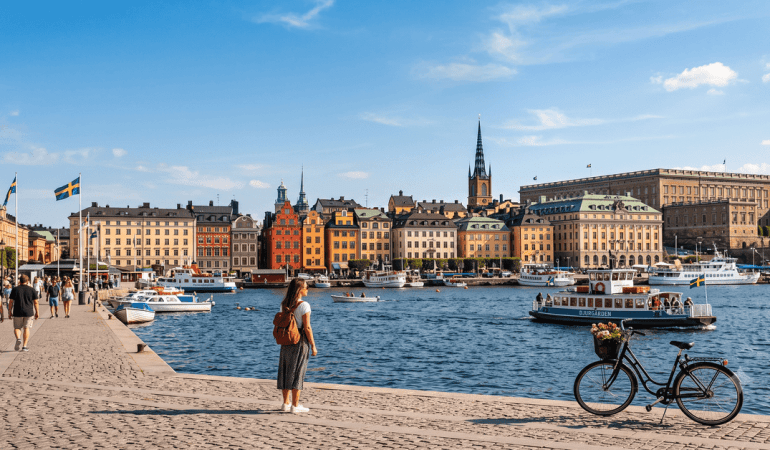
Sweden has 3 major city hubs, Stockholm, Gothenburg and Malmö, plus historic destinations such as Uppsala, Visby and Lund, and Arctic Kiruna. Stockholm sits across 14 islands, while Visby’s medieval...
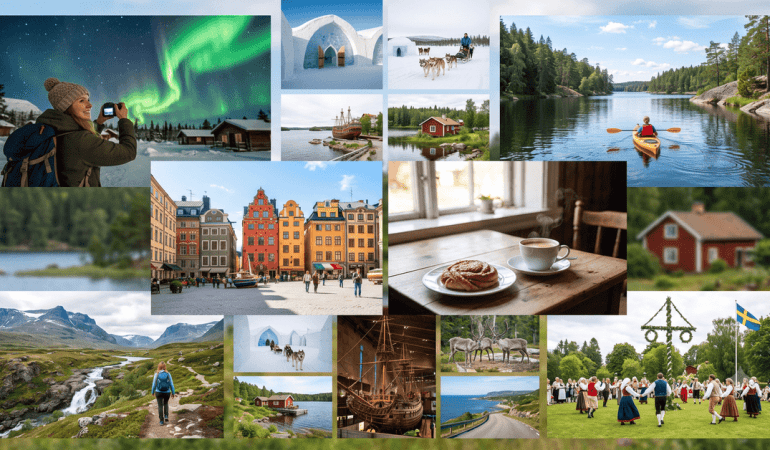
Sweden has 31 national parks, with the first nine established on 24 May 1909. Stockholm was founded in 1252, while the first ICEHOTEL opened in Jukkasjärvi in 1989. Sweden also...
Sweden is part of the Schengen Area and uses the Swedish krona (SEK). Stockholm is the capital, while northern Sweden experiences the Midnight Sun in summer and can offer Northern...
Sweden is a Schengen country with four distinct seasons. Stockholm is the capital, the Swedish krona is the official currency, and northern areas can experience the Midnight Sun in summer...
Sweden uses the Swedish krona (SEK), is part of the Schengen Area, and has four distinct seasons. Northern Sweden offers Northern Lights viewing roughly from September to March, while the...
Stockholm, Sweden’s capital, is spread across 14 islands and uses the Swedish krona (SEK). Arlanda Airport is about 40 km from central Stockholm. The city has metro, buses, trams and...