



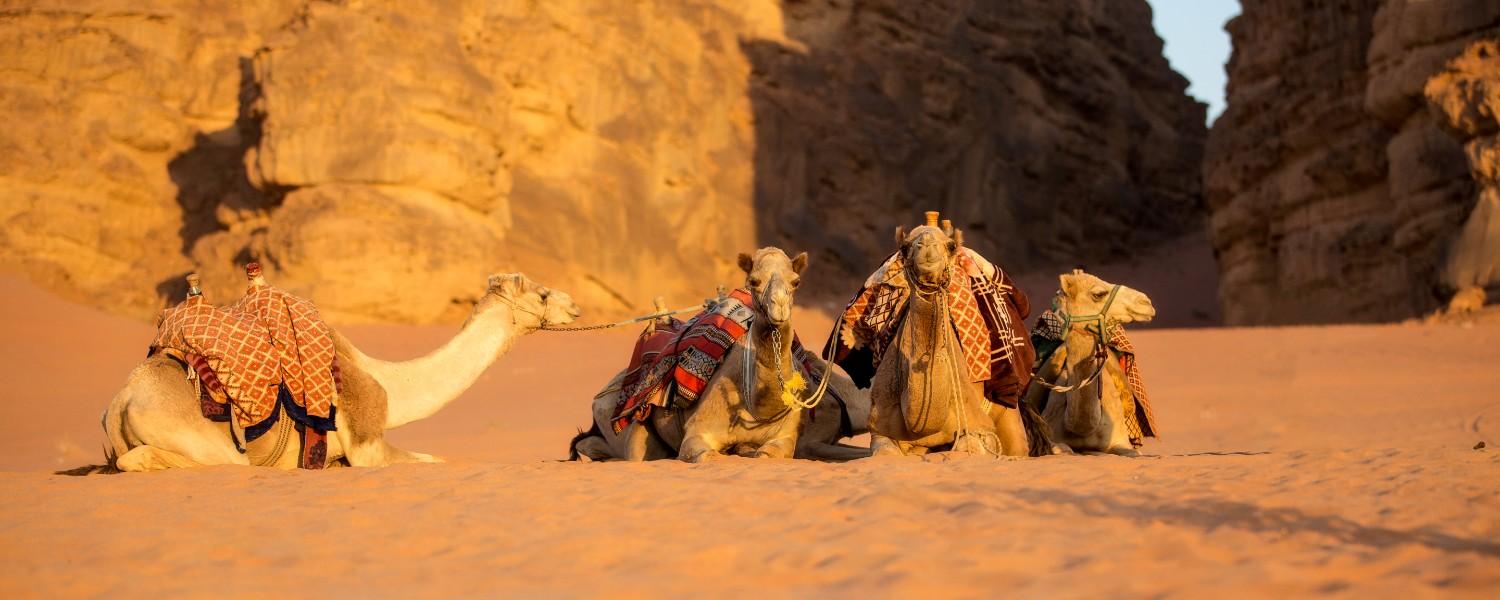
Saudi Arabia is often known for vast deserts, modern cities and historic landmarks. However, the Kingdom also protects an impressive range of natural environments. From coral islands and mountain forests to rocky escarpments and sweeping dunes, wildlife reserves in Saudi Arabia offer memorable experiences for nature-loving travellers.
These protected areas support Arabian oryx, gazelles, Nubian ibex, foxes, wolves and rare birds. Moreover, conservation programmes are helping native species return to suitable habitats. Here are some of the best places to explore Saudi Arabia’s wild side responsibly.
1. Discover Sharaan Nature Reserve in AlUla
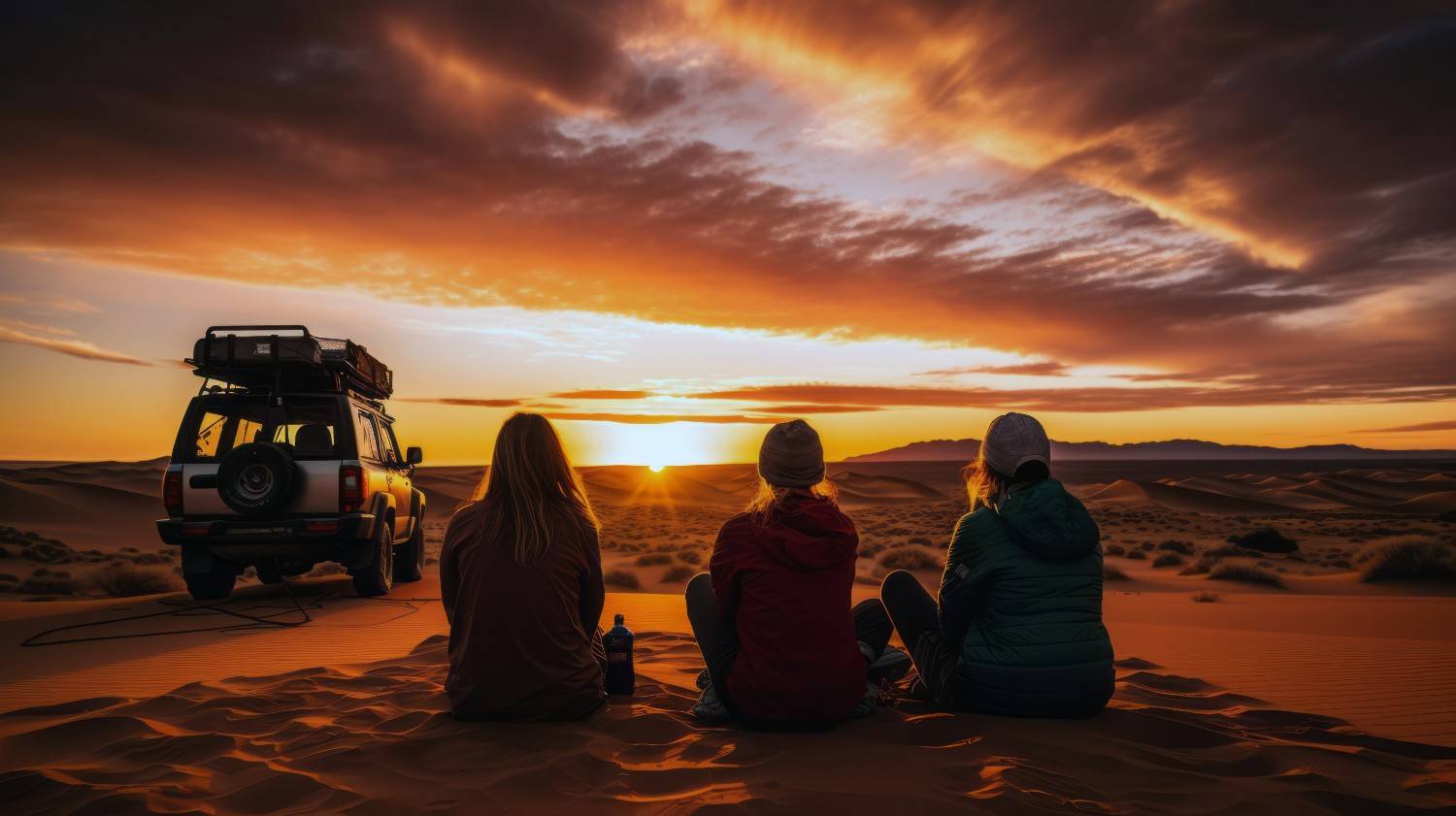
Located in AlUla, Sharaan Nature Reserve combines red-rock canyons, desert valleys and acacia habitats. The reserve protects native species such as Arabian oryx and Idmi gazelles while supporting important habitat-restoration efforts.
For travellers, Sharaan is a practical wildlife destination because authorised guided experiences operate in the area. A four-wheel-drive safari allows visitors to explore the landscape while learning about local plants, geology and conservation.
Depending on luck and seasonal conditions, travellers may spot Arabian ibex, gazelles, rock hyraxes, eagles or bee-eaters. However, tours may operate seasonally. Therefore, visitors should check availability and book their experience before travelling.
Tip: Book an authorised guided safari in advance, as tour availability may vary by season.
2. Explore ‘Uruq Bani Ma’arid
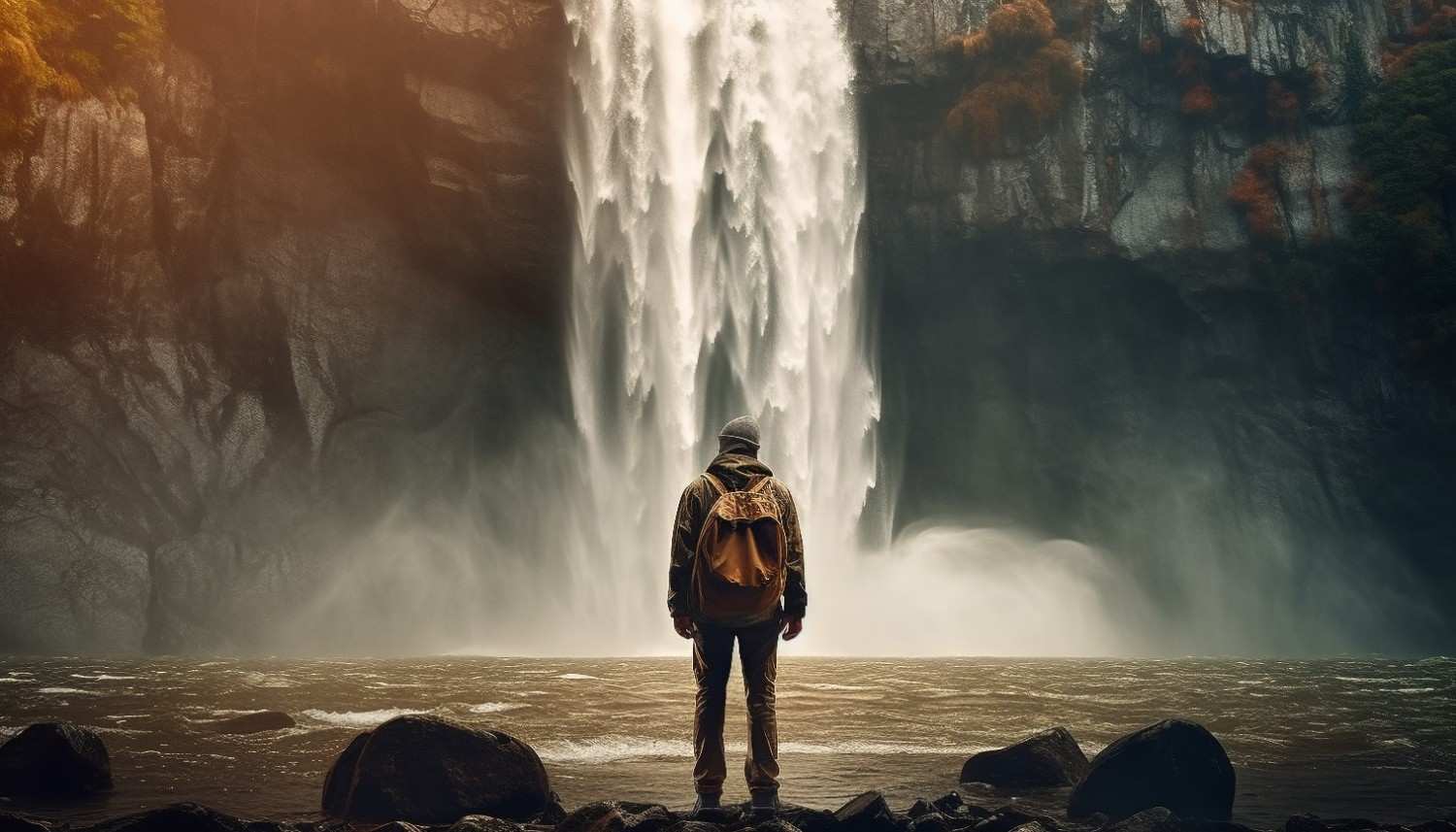
Located along the western edge of Rub’ al Khali, also known as the Empty Quarter, ‘Uruq Bani Ma’arid is one of Saudi Arabia’s most impressive protected areas. In 2023, it became the Kingdom’s first UNESCO Natural World Heritage Site.
The reserve is also an important conservation area for reintroduced wildlife, including Arabian oryx, Arabian sand gazelles and Arabian mountain gazelles. Moreover, its remote desert landscape offers visitors a peaceful and memorable experience.
Visitors can discover:
- Towering golden sand dunes
- Rocky limestone escarpments
- Wide gravel plains
- Seasonal wadis and valleys
- Arabian oryx and native gazelles
- Clear night skies for stargazing
However, the reserve is remote and environmentally sensitive. Therefore, travellers should visit with authorised guides, use suitable four-wheel-drive vehicles and follow carefully planned routes.
With proper preparation, visitors can safely experience the beauty and silence of the Empty Quarter. At the same time, responsible travel helps protect its wildlife and fragile desert ecosystem.
3. See Wildlife on the Farasan Islands
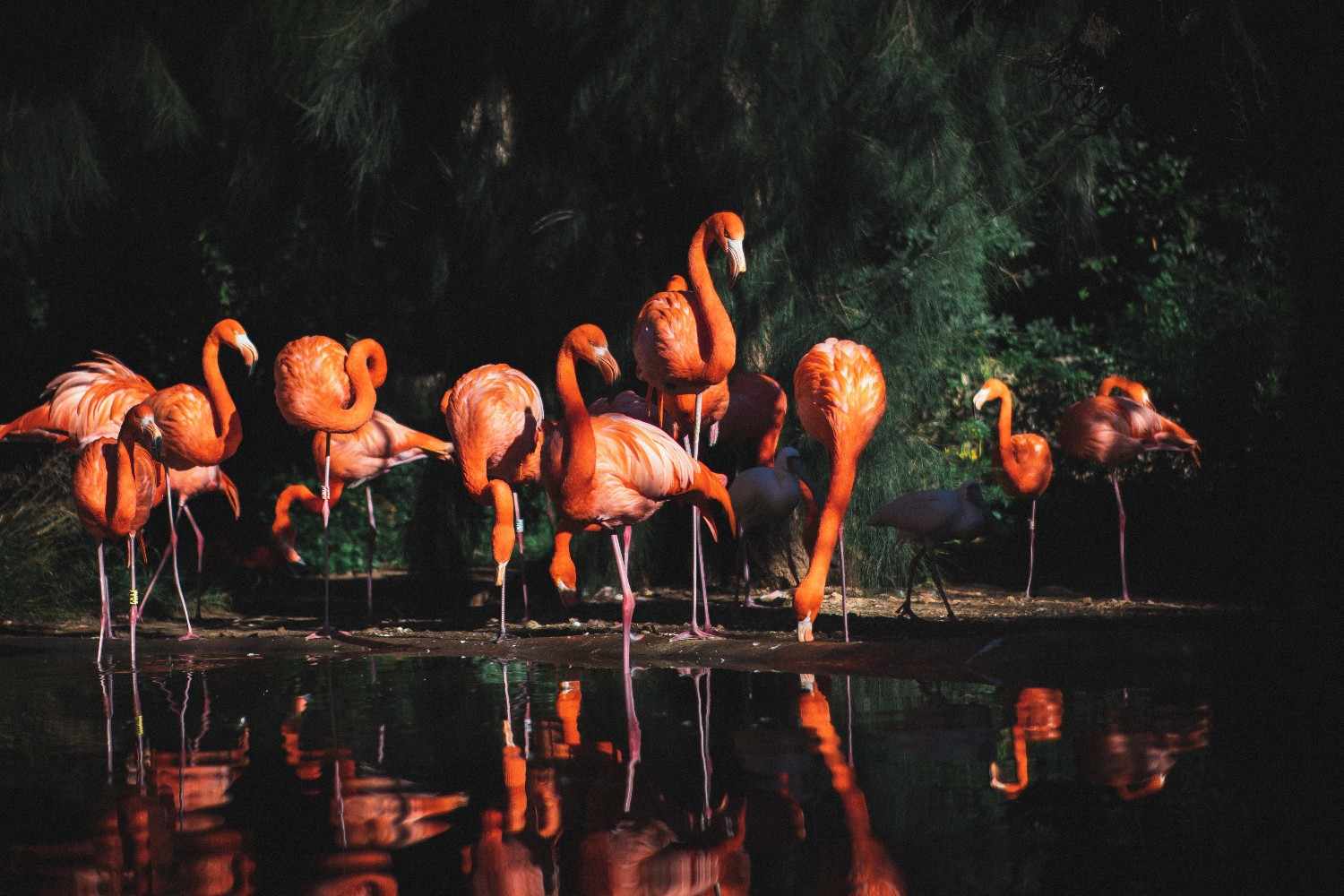
The Farasan Islands, located off the coast of Jazan in the Red Sea, provide a completely different nature experience. This remote archipelago contains more than 170 islands and islets formed from uplifted coral reef. It is also recognised by UNESCO as Saudi Arabia’s first biosphere reserve.
The islands protect coral ecosystems, mangroves, coastal habitats, migratory birds and the Farasan gazelle. In fact, the archipelago supports Saudi Arabia’s largest wild population of this distinctive gazelle.
Travellers can combine wildlife observation with boat trips, snorkelling, coastal walks and heritage visits. Early morning is generally suitable for birdwatching because temperatures are cooler. However, visitors must avoid disturbing nesting areas, collecting coral or approaching animals too closely.
4. Walk Through Asir’s Mountain Landscapes
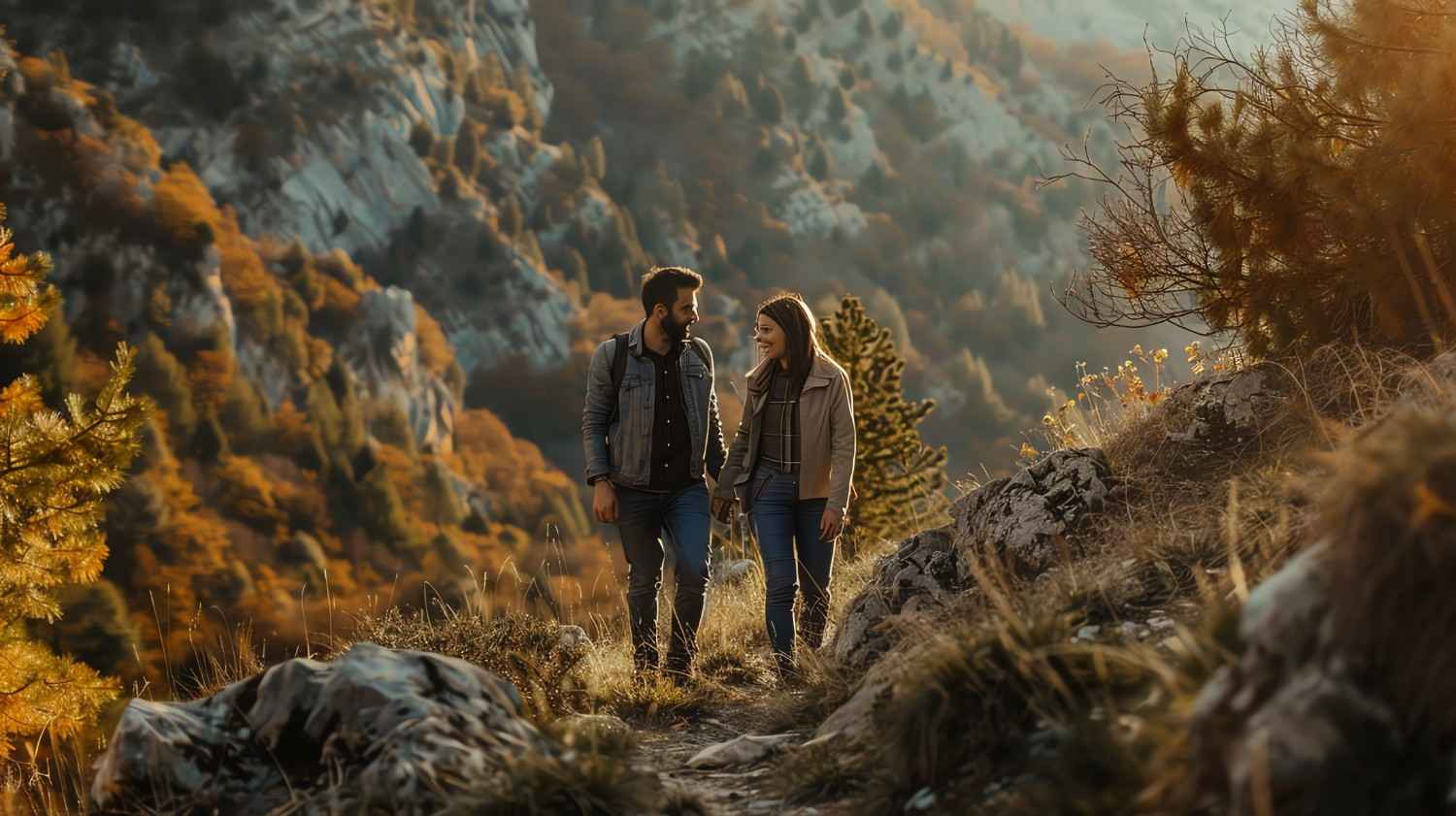
For cooler weather and greener scenery, Asir National Park is an excellent choice. Saudi Arabia’s first national park includes mountains, valleys, woodlands and landscapes extending towards the Red Sea coast. In addition, more than 300 bird species have been recorded in the park.
Visitors can enjoy hiking trails, camping areas, scenic viewpoints and mist-covered mountain scenery. Eagles, vultures and other birds may be seen above the valleys.
Nearby Jurf Raydah Protected Area is especially valuable because of its cloud-forest habitat and diverse wildlife. The area supports species such as the Asir magpie, Arabian partridge, Arabian wolf, rock hyrax and Hamadryas baboon. However, access to sensitive zones may be controlled. Therefore, travellers should remain on approved routes and never feed wild animals.
Tip: Visit early in the morning for cooler temperatures, clearer views and better birdwatching opportunities.
5. Look for Nubian Ibex Near Riyadh
The Ibex Protected Area is around 180 kilometres south of Riyadh, near Hawtat Bani Tamim. Its rugged plateau, deep canyons and rocky slopes create an important habitat for Nubian ibex. The dramatic terrain also makes the reserve one of the most striking natural landscapes near the capital.
The reserve also supports Arabian mountain gazelles, rock hyraxes, foxes, wolves, reptiles and birds of prey. Since the landscape is challenging, animals may be difficult to spot without patience and local knowledge. Early morning or late afternoon visits may offer better wildlife-viewing opportunities.
Before visiting, travellers should confirm whether permits or guided access are required. Binoculars are also useful because they allow wildlife to be observed from a safe distance without causing disturbance. Visitors should remain quiet and avoid approaching or feeding any animals.
Tip: Visit during the early morning and carry binoculars for a better chance of spotting Nubian ibex from a safe distance.
6. Experience King Salman Royal Reserve
King Salman bin Abdulaziz Royal Reserve covers approximately 130,700 square kilometres, making it the largest nature reserve in Saudi Arabia. Spread across northern parts of the Kingdom, it contains mountains, plains, plateaus and desert habitats.
Conservation work focuses on restoring ecosystems and protecting native species. Arabian oryx, gazelles, ibex, wolves, foxes and numerous bird species are found within the reserve.
Tips for Responsible Wildlife Viewing
To help protect Saudi Arabia’s natural heritage:
- Choose authorised tours and follow reserve regulations
- Keep a safe distance from all animals
- Avoid littering, loud noise and restricted off-road driving
- Carry enough water, sun protection and navigation equipment
- Never feed wildlife or remove plants, shells, stones or coral
Because the area is extremely large, visitor experiences may depend on approved locations, official events and permits. Therefore, travellers should check the reserve’s official information before planning their route.
Conclusion
Wildlife reserves in Saudi Arabia reveal a side of the country that many travellers do not expect. Sharaan offers guided desert experiences, while Farasan combines island wildlife with marine scenery. Similarly, Asir provides green highlands and excellent birdwatching opportunities.
Meanwhile, ‘Uruq Bani Ma’arid, the Ibex Protected Area and King Salman Royal Reserve highlight the scale of the Kingdom’s conservation landscapes. By travelling responsibly and following local rules, visitors can experience these remarkable places while helping protect them for future generations.
