




Saudi Arabia is a fascinating destination filled with modern cities, historic neighbourhoods, beautiful coastlines, mountain scenery and traditional markets. Although some travel experiences can be expensive, a memorable holiday does not always require a large budget. With careful planning, travellers can explore the country comfortably while controlling their expenses.
Whether you are planning a city break in Riyadh, a coastal escape in Jeddah or a peaceful mountain holiday, these Saudi Arabia budget travel tips can help you save money without missing the best parts of your trip.
1. Book Flights and Transportation Early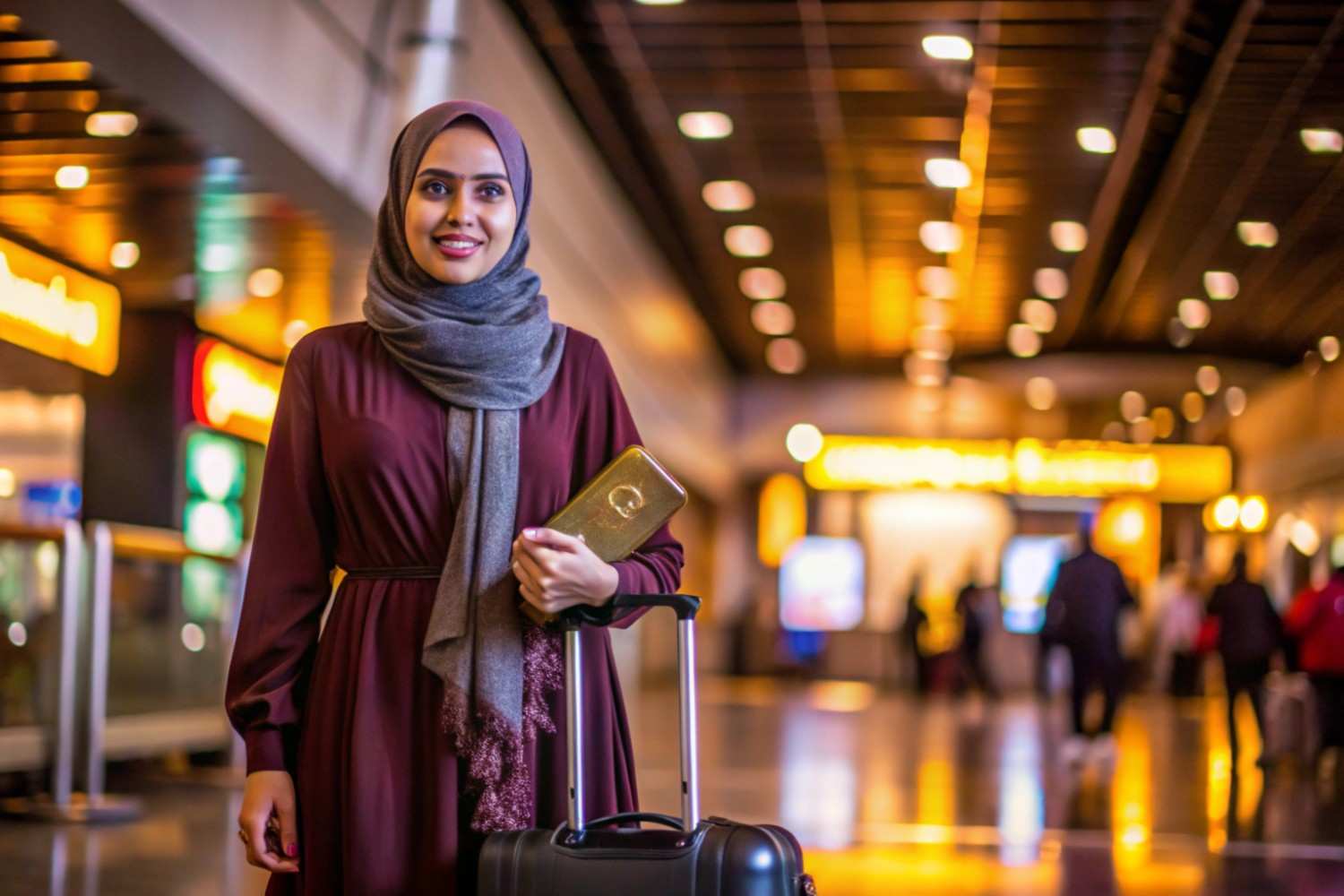
Booking early is one of the easiest ways to reduce travel costs. Therefore, compare different travel dates before confirming your journey. Prices may vary depending on the season, public holidays, school breaks and major events.
Additionally, check the complete cost before booking. A low fare may not include baggage, meals, airport transfers or seat selection. Consequently, the final amount may be higher than expected. Therefore, always review the fare conditions and included services before making payment.
For travel between Saudi cities, compare flights, trains, buses and rental cars. A train or bus may offer better value, while a rental car can be economical for families or groups sharing the total cost. Moreover, consider the travel time, comfort and distance before choosing the most affordable option.
Tip: Use flexible travel dates and compare the total price across different transport options before booking.
2. Plan Your Total Travel Budget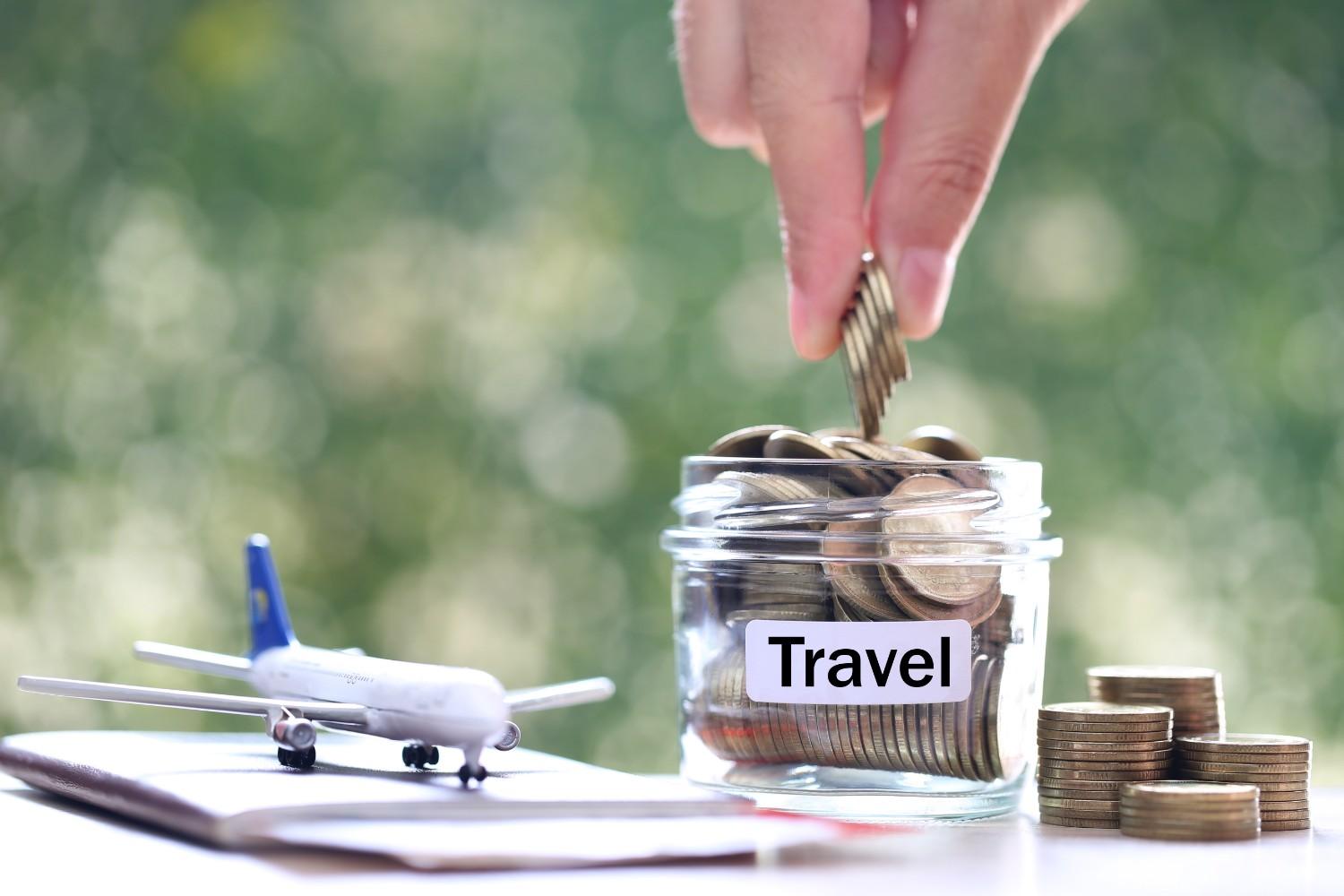
First, decide how much you can comfortably spend on the entire journey. Your budget should include transportation, accommodation, food, attractions, shopping and emergency expenses. After that, divide the total amount into a daily spending limit.
A clear daily budget makes it easier to track your expenses. Moreover, it reduces the risk of overspending during the first few days of your holiday.
Include these main costs in your travel budget:
- Flights or intercity transportation
- Hotel or apartment accommodation
- Local transportation
- Food and drinks
- Attraction tickets
- Shopping and souvenirs
- Emergency expenses
Most importantly, keep a small emergency amount separate from your regular spending money. This extra fund can help you manage unexpected expenses without affecting your planned travel budget.
3. Use Affordable Local Transportation
Transportation expenses can quickly increase when you depend on taxis for every journey. Therefore, research the available public transportation options in each city before your trip. Buses, metro services and shared transport may offer better value for short and regular journeys.
When using taxis or ride-hailing services, compare the estimated fare before confirming your ride. Additionally, group nearby attractions into the same day so that you can reduce repeated transportation costs.
Walking can also be a practical option in suitable areas, particularly around shopping districts, promenades and historic neighbourhoods. However, always consider the weather, distance and availability of pedestrian-friendly routes.
Tip: Choose accommodation close to the attractions you plan to visit most often to reduce daily transportation expenses.
4. Select Budget-Friendly Accommodation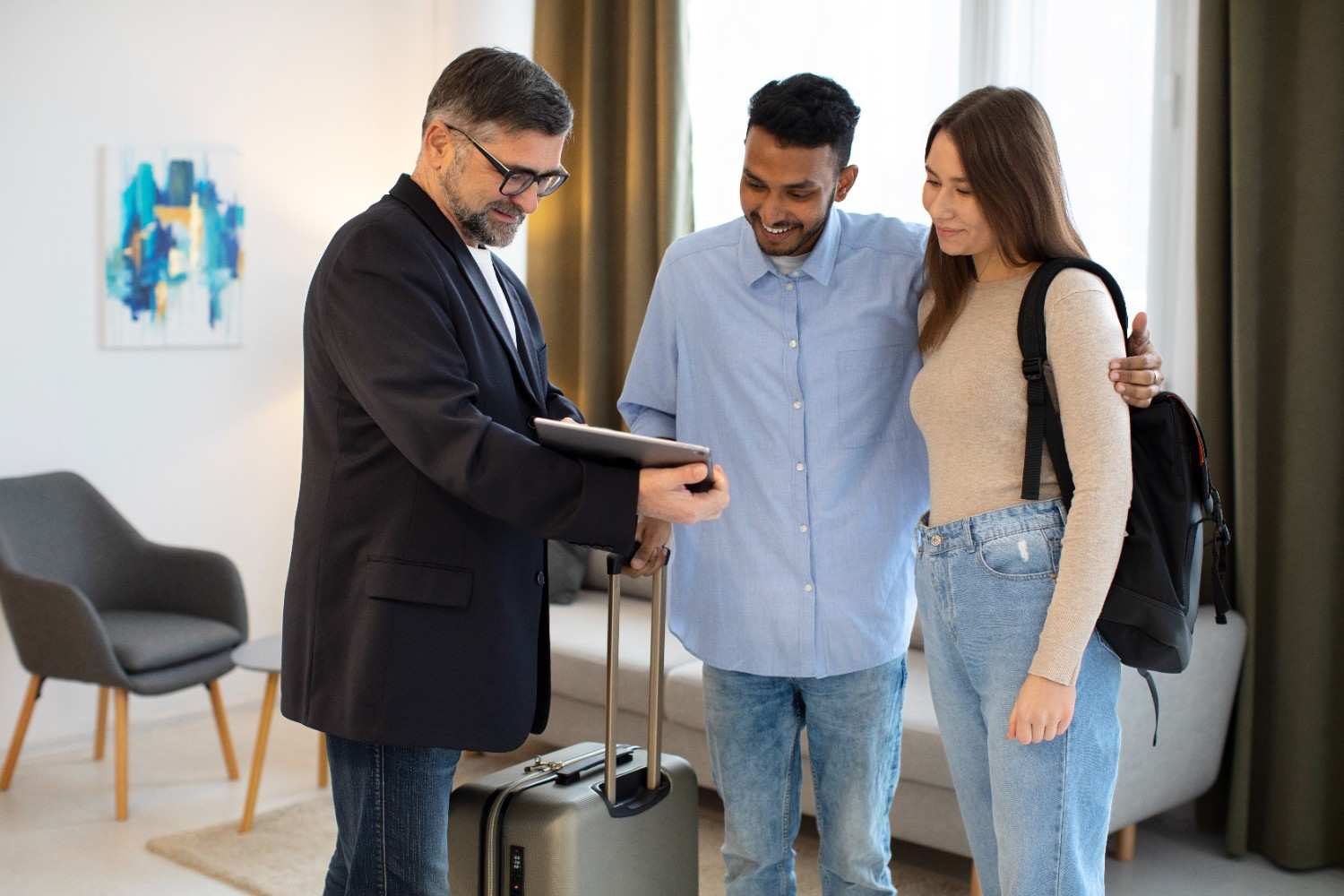
Accommodation is often one of the biggest travel expenses. Fortunately, travellers can choose many options from affordable hotels, serviced apartments, guesthouses and holiday rentals.
Serviced apartments are particularly useful for families because they may offer additional space and basic kitchen facilities. Therefore, you can prepare breakfast or light meals instead of eating at restaurants every day.
Look for accommodation that includes:
- Complimentary breakfast
- Free Wi-Fi
- Kitchen facilities
- Free parking
- Flexible cancellation
- Easy access to transportation
Before booking, compare more than the room price. A well-located hotel may reduce your transportation expenses. Similarly, complimentary breakfast, free parking and free Wi-Fi can provide additional savings.
5. Eat at Local Restaurants for Best experience 
6. Shop Smart and Stay on Budget
Saudi Arabia has modern shopping malls, local markets and traditional souvenir shops. Therefore, it can be easy to spend more than planned, especially when you find attractive discounts, local products and unique gifts. For this reason, shopping expenses should always be included in your overall travel budget.
Set a separate shopping budget before starting your journey. Also, prepare a list of the items you genuinely want to purchase and try to follow it. At traditional markets, compare prices, ask about available discounts and confirm the final amount before buying anything.
Most importantly, avoid using money reserved for accommodation, food or transportation. Keep your essential travel budget separate so that shopping does not affect the rest of your journey. In addition, check your remaining budget regularly to prevent overspending.
Tip: Carry a fixed amount for shopping each day and stop spending once you reach your daily limit.
Final Thoughts
Exploring Saudi Arabia on a budget is possible when you plan early and make practical decisions. By comparing Flight deals, choosing affordable accommodation, eating locally and combining paid attractions with free experiences, you can enjoy a rewarding holiday without unnecessary spending.
Ultimately, budget travel is not about selecting the cheapest option every time. Instead, it is about understanding what matters most, avoiding waste and spending wisely.
